
- OysterLink: U.S. hospitality braces for 2026 World Cup as demand may lag.
- National RevPAR is projected to increase 1.7 percent during the tournament.
- Operators are dropping pricing and booking general travelers.
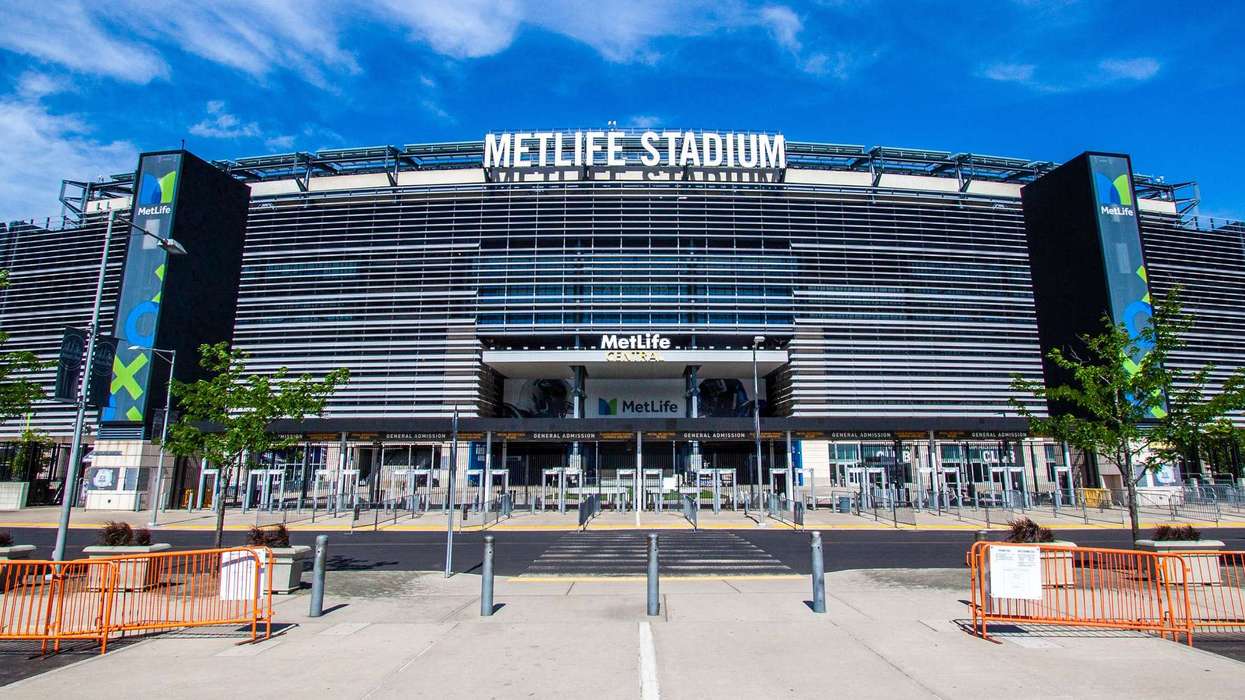
THE U.S. HOSPITALITY industry is preparing for the 2026 FIFA World Cup, with less than 100 days before kickoff, according to OysterLink. Although the tournament is expected to drive demand, overall uplift may fall short of early projections.
An OysterLink study, based on recent hotel forecasts, booking data, and industry reports, found that early bookings are lower than expected. National RevPAR is forecast to rise 1.7 percent during the tournament months, according to CoStar data.
“The industry is clearly preparing, but it’s no longer preparing for a guaranteed surge,” said Milos Eric, OysterLink cofounder. “What we’re seeing is a pivot toward flexibility. Hotels are adjusting rates, relaxing booking restrictions and treating this more like a high-demand summer period than a once-in-a-generation windfall.”
In some markets, hotels report filling only a small portion of reserved FIFA room blocks, with occupancy as low as 15 percent. Many operators are shifting from event-based pricing and reopening inventory to general travelers.
In major host markets like Dallas-Fort Worth, hospitality leaders describe the tournament as a test for staffing, service and infrastructure, the study said. While the sector has seen job growth, questions remain whether the workforce can scale to meet peak demand.
Several external factors are adding to uncertainty. International travel, a major driver of World Cup spending, has slowed, with visa processing, geopolitical tensions and higher costs potentially limiting visitors, OysterLink found. This may increase reliance on domestic travelers, who spend less per trip.
Despite these challenges, the report noted opportunities. OysterLink said demand is likely to concentrate on match days and key cities, creating a “two-phase” pattern with a slower start and stronger performance during the knockout stages.
Eric said the World Cup will still generate business for the industry.
“But success will depend less on sheer volume and more on how well operators adapt in real time,” he added.
A recent OysterLink study finds the gender gap in hospitality persists—and is widening—with women comprising 54 percent of food service and 58 percent of hotel staff but earning just 70 cents for every dollar men make in similar roles.