
Summary:
- Indian-origin CEO Vijay Thirumalai urged Indians to secure a U.S. Green Card.
- He rejected moving permanently to India, citing economic and personal reasons.
- Thirumalai's post drew social media reactions, with some calling it “desperate.”
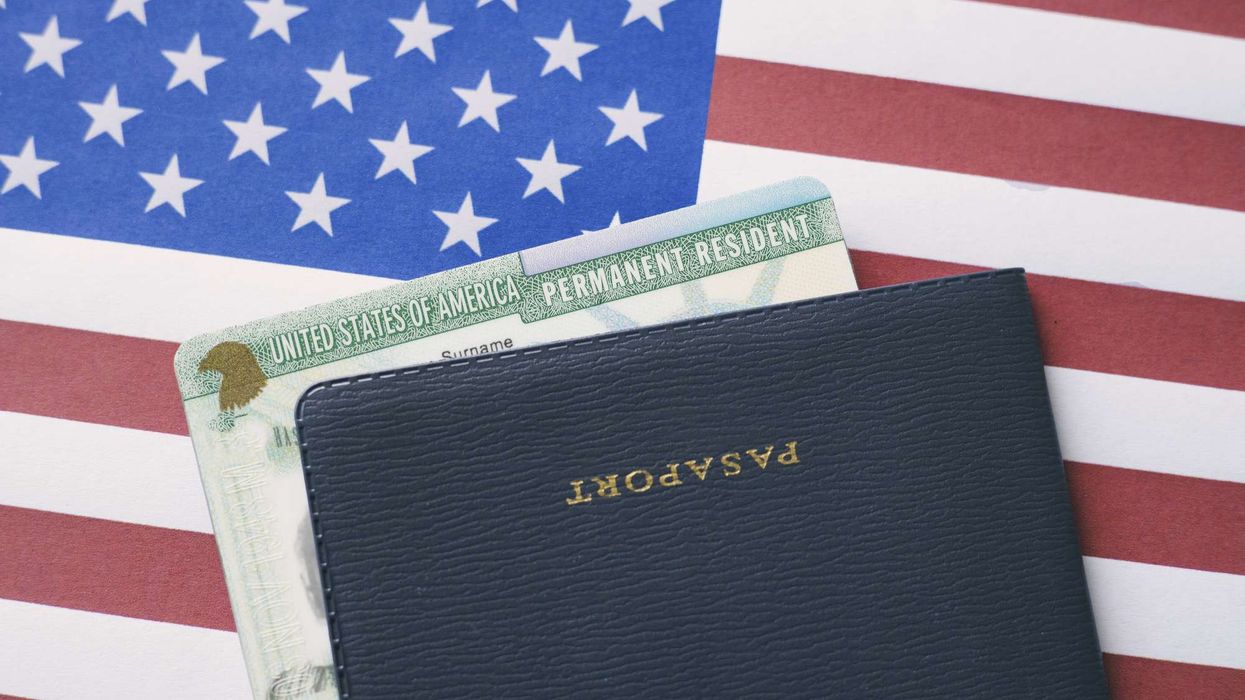
INDIAN-ORIGIN CEO VIJAY Thirumalai addressed the H-1B situation in a social media post, noting many Indians are stranded in India after traveling there for visa stamping. He urged them to “do everything you can to obtain a U.S. Green Card,” saying its long-term stability and mobility outweigh short-term uncertainty.
In a Dec. 23 post on X, San Francisco-based Indian American entrepreneur Thirumalai cited a Washington Post report on professionals stranded in India. Due to changes in H-1B policies, their interview appointments have been postponed for at least six months because of the State Department’s social media vetting process, which began on Dec. 15.
As they remain in India, many on social media have ridiculed the situation, questioning how Indians can be stuck there. Thirumalai called the mockery of those facing prolonged visa delays “brutal,” saying he empathizes with people affected by unexpected appointment delays.
“People who mock the concept of being stranded, have no idea what is going thru,” he wrote on X. “They have their homes, their jobs, kids school and their entire lives back in the U.S., what was supposed to be a two-week trip is now stretching to 3 to 4 months and maybe more, God knows, how long. It is brutal.”
Thirumalai said the delays stem from new U.S. consular rules that took effect in mid-December and require increased social media screening for H-1B and H-4 applicants. The changes have pushed appointments into 2026 or later and reduced third-country processing options.
He rejected the idea that workers should move permanently to India, citing economic and personal reasons.
“I have one piece of advice: do everything you can to get out of the H-1B situation as soon as possible,” he said.
He also pointed to currency rates and uncertainties, recommending investing “4 to 5 more years” to obtain a Green Card and citizenship, describing it as a way to gain “optionality” amid political changes and rising concerns over AI-driven job disruption.
Thirumalai's post, viewed more than 859.1K times, drew social media attention, with some calling his suggestion “very desperate.”
“Four to five years to get a green card? Which world? Indians need to wait at least 20 years if they file in EB2/EB3. Wake up, smell the coffee and build your future elsewhere,” a user said.
“No way you will get a green card in four to five years unless it’s through EB-1. Normal processing will take 15 to 20 years for most people. Go to another country if you’ve just started your career,” another user wrote.
The Department of Homeland Security is replacing the H-1B lottery with a system that prioritizes higher-paid workers, effective Feb. 27 for the upcoming cap registration.