
Summary:
- EEOC targets alleged discrimination against white men in corporate DEI programs.
- ICE moves to dismiss asylum claims by sending migrants to third countries.
- Experts warn these shifts challenge civil rights and immigration protections.
THE TRUMP ADMINISTRATION is pursuing a two-pronged enforcement approach affecting corporate employment practices and the asylum system, raising legal questions about executive authority and discrimination and immigration laws. Legal experts warn these shifts test long-standing civil rights and immigration protections.
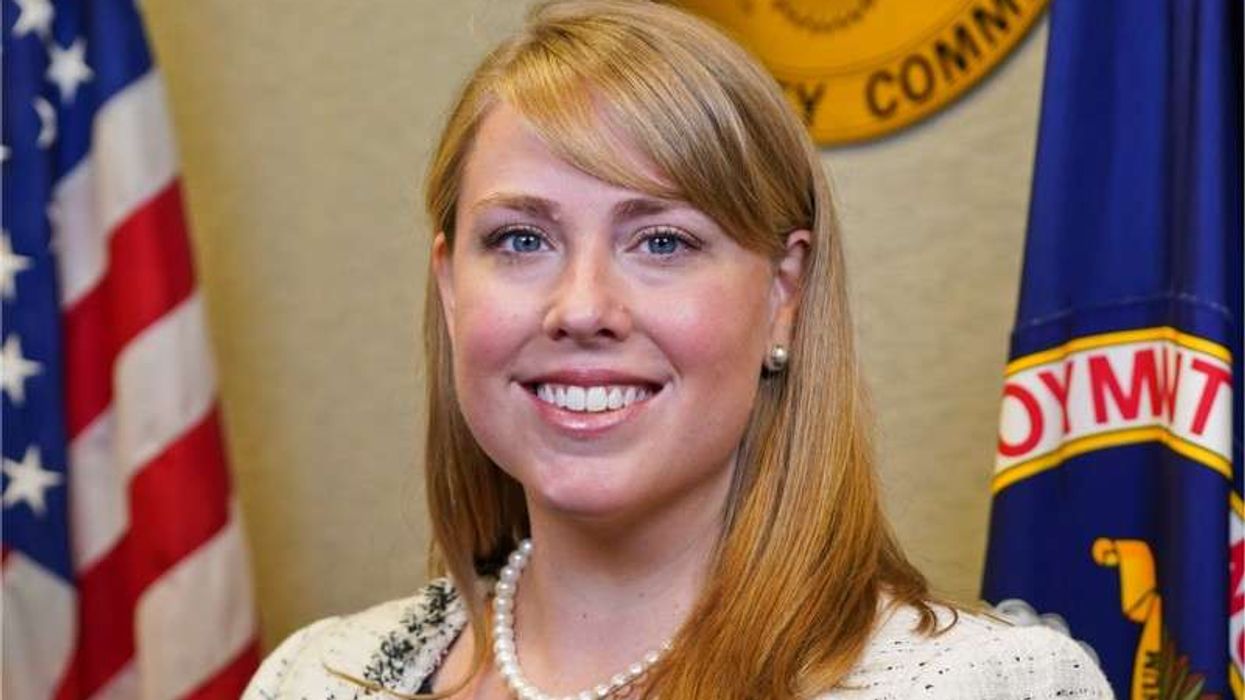
The workplace shift centers on the Equal Employment Opportunity Commission, led by Chair Andrea Lucas, which has moved toward a narrower interpretation of civil rights law, according to Reuters.
The EEOC is prioritizing discrimination cases involving white men and reviewing corporate diversity, equity and inclusion policies for race- or sex-based decisions.
Lucas told Reuters that the agency is inviting submissions and will investigate and litigate where it finds violations.
"If we have a charge of discrimination against you, we're going to use the full force of the federal government to remedy it," she said.
Former EEOC Chair Jenny Yang said DEI initiatives are not unlawful per se and that the agency must still prove discrimination under existing statutes.
Asylum access narrows
At the same time, the administration is reportedly tightening access to asylum.
Internal data obtained by CBS News revealed that Immigration and Customs Enforcement attorneys have filed more than 8,000 motions in immigration courts to dismiss asylum claims, arguing applicants can be sent to third countries under “safe third country” arrangements.
ICE lawyers are urging judges to consider third-country motions before asylum claims, citing agreements with Guatemala, Honduras, Ecuador and Uganda. A Board of Immigration Appeals ruling reinforced this approach and placed the burden on asylum seekers to show they would face persecution if sent elsewhere.
Immigration attorneys say the move affects applicants with strong claims from countries including Iran, Nicaragua and Russia, while DHS says it is using lawful tools to reduce backlogs and prevent abuse.
"DHS is using every lawful tool available to address the backlog and abuse of the asylum system," the department said, citing bilateral arrangements that allow migrants to pursue protection in partner countries.
The government recently tightened scrutiny of non-immigrant visa holders, leading to interview delays, limits on where applicants can seek visa stamping and expanded social media vetting.