
- Groups back 20 percent federal production tax credit.
- Supporters say filming brings hotel demand and tourism.
- Backers want passage after Nov. 3 midterms.
HOTEL AND TRAVEL groups joined Hollywood organizations in backing a proposed 20 percent federal tax credit for film and television production. They argue that domestic filming brings hotel demand and tourism to local communities.
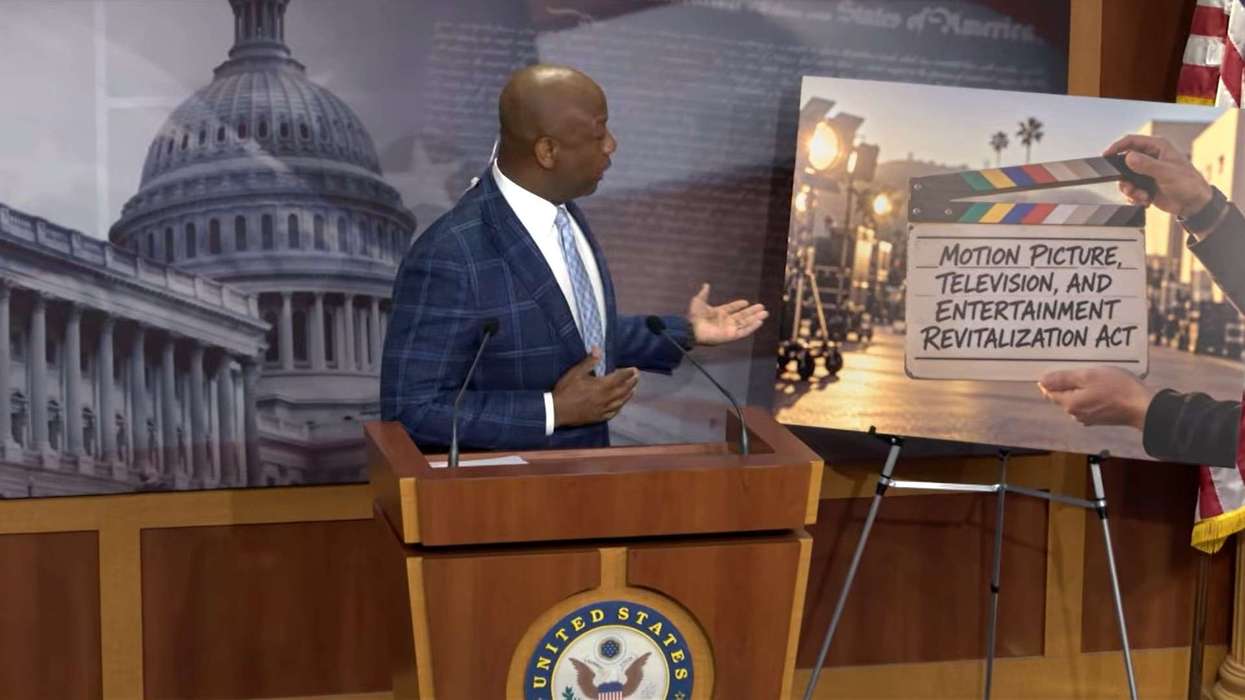
The Motion Picture, Television, and Entertainment Revitalization Act was introduced on September 24, 2026, by U.S. Senator Tim Scott, Republican of South Carolina, in the Senate and U.S. Representative Nathaniel Moran, Republican of Texas, in the House.
The American Hotel & Lodging Association and the U.S. Travel Association have joined the coalition supporting the Act to keep more productions in the U.S.
“Every film and TV production made in America sends a ripple through the travel economy, filling hotel rooms, restaurants and small businesses during the shoot and inspiring travelers to visit long after the credits roll,” said Geoff Freeman, USTA president and CEO, according to Variety. “A federal production incentive would bring that economic activity back to communities in all 50 states and give destinations of every size a powerful new way to showcase themselves to the world.”
 Domestic film production supports hotel demand and local businesses in filming communities.Photo credit: iStock
Ralph Posner, an AHLA spokesman, said the economic impact of the proposal would extend beyond entertainment, with domestic production supporting hotel demand and businesses in communities hosting filming activity.
“Domestic production brings cast, crew, and suppliers into communities across the U.S., bolstering hotel demand and supporting local businesses,” he told Variety. “By encouraging more domestic production activity, the legislation will help drive economic growth, support local communities and showcase U.S. destinations to audiences around the world.”
The two associations represent airlines, ticketing platforms, hotel companies, resorts and the Disney and Universal theme parks. Their support extends the coalition beyond studios, production companies and entertainment unions. The Motion Picture Association, the Independent Film and Television Alliance and Hollywood unions also back the bill, TheWrap reported.
Lawmakers from both parties introduced the bill on Sept. 24 as H.R. 10582 in the House and S. 5552 in the Senate. It would create a 20 percent credit on qualifying U.S. labor costs, including salaries for actors and writers, according to TheWrap. The credit could be combined with state incentives. Animation, visual effects and post-production work could qualify, subject to domestic spending requirements.
The bill also proposes additional 5 percent credits for independent productions and projects filmed in qualifying rural areas and federally designated disaster zones, raising the incentive to as much as 30 percent.
Qualifying feature films, television pilots and seasons would generally need budgets above $1 million, with at least 75 percent of principal photography in the U.S., NBC Los Angeles reported.
Tourism evidence
 Proposed incentives could add $125 billion in U.S. production spending and 143,000 jobs by 2035.Photo credit: iStock
Recent research points to the same link between screen content and travel. Expedia Group’s Unpack ‘27 report, released Oct. 14, found that nearly one in five travelers worldwide have booked a trip after seeing a destination in a TV show or film.
Expedia said searches for Monaco rose more than 120 percent in the 30 days after the sixth season of “Emily in Paris” was confirmed to be filming there, The Scotsman reported, citing Expedia’s search data.
Expedia also said screen-inspired travel demand is increasingly tied to show announcements, filming locations and release dates. The company said partners can plan inventory and offers ahead of those moments instead of reacting after demand spikes.
Supporters say the credit is needed because other countries are drawing productions overseas. NBC Los Angeles reported that supporters point to incentives offered by the United Kingdom, Ireland and Canada.
At least 65 countries offer film and television tax credits, according to a study commissioned by the Motion Picture Association. The study projects that a federal incentive could increase U.S. production spending by $125 billion and add more than 143,000 jobs by 2035, CPA Practice Advisor reported, citing The Los Angeles Times. Those projections rest on the study’s assumptions and are not guaranteed.
Legislative outlook
 Supporters aim to secure passage during the post-election lame-duck sessionPhoto credit: iStock
The House bill has 52 sponsors, and the Senate version has 10, according to Variety. California has 15 House sponsors, Pennsylvania six and New York four. New Jersey, Illinois and Georgia have three each.
The House bill has been referred to the Ways and Means Committee, and the Senate bill to the Finance Committee, according to Variety. Supporters are seeking passage in the lame-duck session after the Nov. 3 midterm elections.
The proposal comes as overseas demand for U.S. hotels softens. Asian Hospitality reported that overseas air arrivals to the U.S. fell 8 percent in the second quarter despite the World Cup, according to the National Travel and Tourism Office. The report said gateway markets could lose some of the occupancy that supports rate increases during major events if overseas demand keeps weakening.