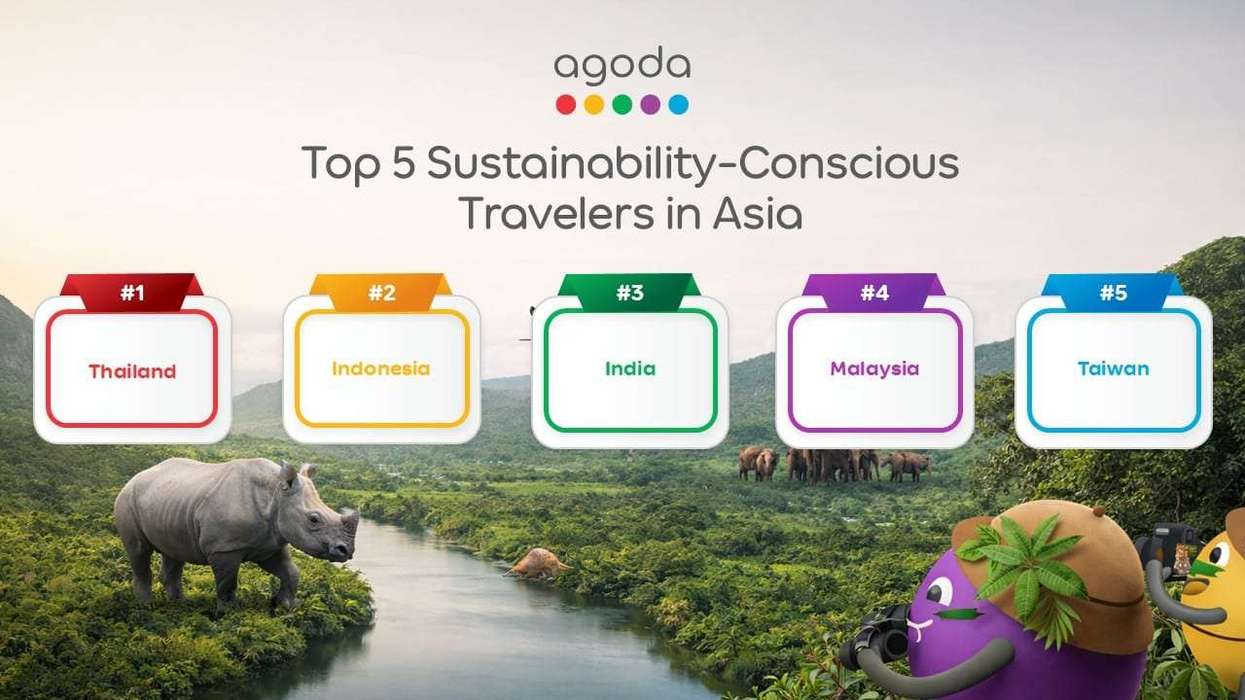

- Agoda: India ranks third in Asia for sustainable travel, with 88 percent of travellers considering it.
- Sustainable travel will stay a priority for 90 percent of Indian travellers.
- Sustainability now includes social and economic impact, not just environmental concerns.
INDIA RANKS THIRD in Asia for prioritizing sustainable travel, with 88 percent of Indian travelers considering sustainability when choosing travel options this year, according to Agoda. This trend is expected to continue over the next three years as travelers focus on community benefits and nature preservation.
Agoda’s “2026 Sustainable Travel Survey” across eight Asian markets shows sustainability is central to travel decisions. Thailand leads with 95 percent, followed by Indonesia at 93 percent, India and Malaysia at 88 percent and Taiwan at 83 percent.
“Indian travelers are becoming increasingly conscious of the impact their journeys have on destinations and communities,” said Gaurav Malik, Agoda’s country director for the Indian subcontinent and Indian Ocean Islands, according to The CSR Universe. “We are seeing a shift from sustainability being viewed purely through an environmental lens to a broader understanding that includes supporting local economies, protecting cultural heritage and traveling more thoughtfully. At Agoda, initiatives such as our Eco Deals program make it easier for travelers to turn these intentions into action. They can enjoy value on their stays while contributing to wildlife conservation and habitat protection across destinations in Asia.”
The survey indicates continued momentum, with 90 percent of Indian respondents saying sustainable travel will remain important over the next three years. Findings show that sustainability now includes social and economic impact, not just environmental concerns.
Indian travelers are prioritizing outcomes that benefit local communities, the report said. About 39 percent cited community impact as the most important outcome of sustainable travel, followed by preservation of natural landscapes and wildlife at 33 percent and building connections with destinations at 16 percent.
The survey also shows demand for travel experiences that combine enjoyment with impact. About 35 percent of Indian travelers prefer tours that support environmental protection and local communities, while 31 percent choose programs that allow them to give back to nature. Interest in sustainable transport options at 18 percent and certified eco-friendly accommodation at 16 percent indicates a growing preference for end-to-end sustainable travel solutions.
In terms of economic impact, more than half of respondents, 53 percent, believe responsibly managed tourism supports local businesses, while 16 percent see its role in preserving cultural heritage.
Agoda’s Eco Deals program, developed with World Wide Fund for Nature, allows travelers to support conservation. It offers discounts of up to 15 percent on stays until December 18 and donates USD 1 per booking to WWF projects in 10 markets.
A report by London-based housing provider SilverDoor found that corporate travel is rising in tertiary Indian cities as businesses expand beyond major hubs. The Union Budget 2026–27 infrastructure investment and a U.S.-India trade agreement reducing reciprocal tariffs to 18 percent are expected to support further growth.