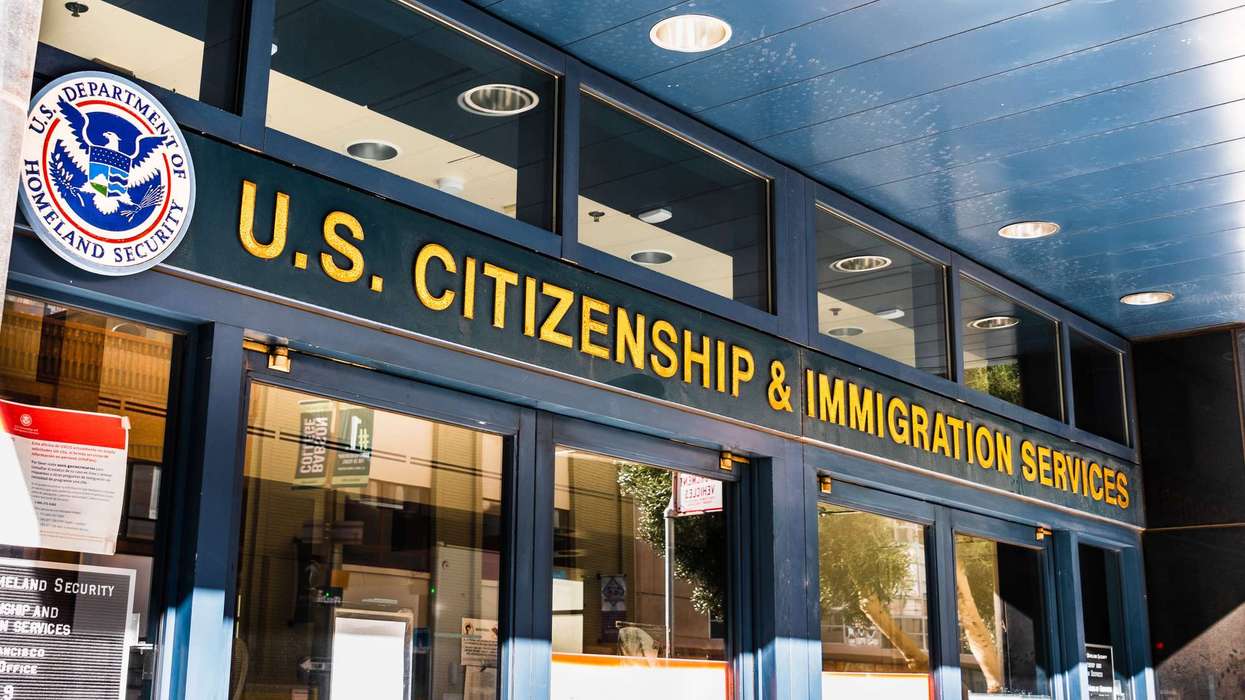

- Legal immigration to the U.S. fell in the first eight months of 2025.
- Analysts say policy and demand factors may be driving the decline.
- Trump-era U.S. visa restrictions hit India and China hardest.
LEGAL IMMIGRATION TO the U.S. reportedly fell in the first eight months of 2025, with India and China among the most affected, as the Trump administration tightened visa policies. The State Department issued about 250,000 fewer visas from January to August 2025 than in the same period of 2024.
Overall approvals for permanent and temporary visas fell 11 percent, The Washington Post reported, citing official data released in early March. The decline includes visas for students, workers, family members of U.S. citizens and residents and tourists.
India and China saw large declines, with about 84,000 fewer visas issued, mostly for student, worker and family visas. Student visas fell more than 30 percent in the first eight months of 2025 and exchange visitor visas dropped nearly 30,000. Visa approvals for permanent residency, or green cards, also decreased, mostly for workers, certain relatives and nationals from countries including Afghanistan and Iraq.
Officials and analysts attributed the decline to policy and administrative factors, including a travel ban on 19 countries, a pause on student visa interviews and expanded vetting with social media checks, according to the Post. Staffing cuts at the State Department reduced processing capacity, leading to fewer consular appointments and longer wait times at several locations.
"A visa is a privilege, not a right," said Tommy Pigott, State Department spokesman, according to the Post. "Unlike the Biden administration, President Trump is not willing to compromise the safety of American citizens to allow mass migration of unvetted foreign nationals into our country."
White House spokeswoman Abigail Jackson said that President Trump was elected to put American citizens first and every policy decision has reflected that priority.
Analysts said both policy and demand factors may be driving the decline.
"We don't have a clear breakdown of how much of this decline is caused by demand and how much by policy and both are putting downward pressure on the number of visas issued," said Cecilia Esterline of the Niskanen Center, according to the report.
Jason Furman of Harvard University said immigration is the most important policy for the U.S. economy now and in the future.
"When we restrict immigration, we not only shortchange labor force growth today, but also reduce innovation and productivity in the future,” he said, according to the Post.
The Trump administration will require citizens from 50 countries to post $15,000 bonds to apply for U.S. entry, adding 12 countries to a list that already includes 38. The expanded program, requiring the bond for B1 or B2 visas, takes effect April 2.