
- Domestic, faith travel reshape India’s hotels.
- Business and leisure travel increasingly converging.
- Connectivity is opening up tier-2, tier-3 cities.
INDIAN HOSPITALITY INDUSTRY is shifting as domestic travelers drive demand across business, leisure, pilgrimage and cultural travel, according to Saurab Gahoi, Ramee Group of Hotels’ senior vice president. Changing travel patterns are influencing hotel design, operations and revenue planning.
Ramee is responding through its presence in Tirupati and its expansion into Gaya, Solapur and Coimbatore.
“For years, India's hotel industry oriented itself toward metro business travel,” Gahoi said. “However. that model has changed: domestic mobility now accounts for much of occupancy across segments, prompting hotels to rethink how they serve guests.”
Travelers are also becoming more deliberate about the purpose of their stays.
“Business trips extend into leisure weekends, family vacations include wellness and wedding trips to tier-2 cities become opportunities to explore local culture,” Gahoi said.
The lines between business, leisure and purpose-led travel are blurring, he said.
Hotels, Gahoi said, need to respond with flexible products and services.
“Rooms may need to function as workspaces during the day and relaxation areas at night, while public spaces support both meetings and downtime,” he said. “Dining must reflect regional tastes while maintaining consistency, and staff training is shifting from rigid protocols toward flexibility.”
The change is also geographic.
“Tier-2 and tier-3 cities are becoming more accessible as air and road connectivity improves,” he said.
At Ramee, properties in Indore and Kolhapur have seen guests extend stays beyond their original purpose. Business travelers add days to explore the destination, while families extend visits around local festivals and food.
That shift is shaping Ramee's expansion strategy. “Upcoming properties in Gaya, Solapur and Coimbatore are being designed with flexible spaces, local dining concepts and services aimed at multiple traveler needs,” he said.
Hotels embrace pilgrimage
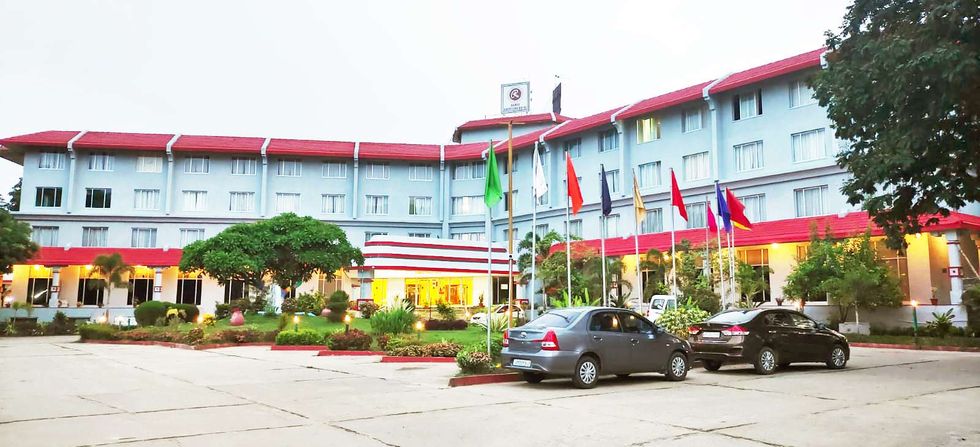 Pictured is Ramee Guestline Hotel in Tirupati, Andhra Pradesh, near the Tirumala Sri Venkateswara Swamy Temple.Ramee Group of Hotels
Faith-led travel is creating another set of requirements for hotels. Pilgrim travel follows the rhythm of temple timings, festival calendars and group itineraries, making conventional hotel operating models less suited to these markets.
“Early check-ins and late check-outs can be critical,” Gahoi said. “A family arriving at 4 a.m. for morning rituals may need a room immediately rather than waiting until noon. Proximity to religious sites matters, but so does reliable transport, particularly during major festivals.”
Food and group dining also require a tailored approach.
“Pilgrims often travel in large family groups or organized tours, creating demand for vegetarian food, regional tastes and flexible meal timings,” he said. “Buffets must accommodate high volumes while maintaining hygiene and quality.”
Meanwhile, Ramee has adapted its operations accordingly.
“Housekeeping prioritizes rooms for early darshan departures, kitchens prepare sattvic meals alongside standard options, and front-office teams coordinate temple transportation and advise guests on crowd patterns,” he said. "These are not additional services; they are central to operating a pilgrim-focused hotel."
Festival and yatra calendars are also becoming part of revenue management. Ramee maps the religious calendar at the start of each year, identifying major festivals and regional yatras as high-demand periods. Pricing, staffing and inventory are planned around these dates, often weeks or months out.
“Extended stays during festivals create opportunities to offer guided temple visits, food trails and wellness sessions,” he said. “Kitchen and banquet operations adjust for higher group-dining demand, with menus tailored to vegetarian, regional and sattvic preferences.”
From Varanasi to the world
Gahoi points to infrastructure investment and changing traveler priorities as the two main drivers behind faith-led travel's growth. Improved airports, roads and urban amenities around Ayodhya, Varanasi, Tirupati and Indore are helping turn them into year-round pilgrimage hubs.
At the same time, travelers are placing more value on meaning, authenticity, cultural connection and personal relevance.
A KPMG report cited by Gahoi projects India's spiritual tourism market to reach $59 billion by 2028, with more than 100 million jobs expected by 2030. The opportunity extends beyond hotels to transportation, food services, local commerce, artisans and cultural experiences.
For hotel operators, the segment offers opportunities beyond room nights. Partnerships with local artisans, food producers and cultural guides can build experiences around the purpose of the journey while spreading tourism spending across local economies.
Ramee's experience in Tirupati has also informed its approach to Gaya.
Gahoi said pilgrims there follow temple schedules rather than conventional hotel timings and may value early morning tea before dawn darshan more than an elaborate breakfast.
“Simple sattvic meals can matter more than a multi-cuisine buffet,” he said.
The upcoming Gaya property combines comfort with the requirements of spiritual travel. It will include rooms, an all-day dining restaurant and nearly 4,000 square feet of banquet space for weddings, social events, conferences and corporate gatherings.
“The property aims to serve both pilgrimage and business travelers, reflecting the broader shift toward multi-purpose demand in emerging destinations,” he said.
Small is big
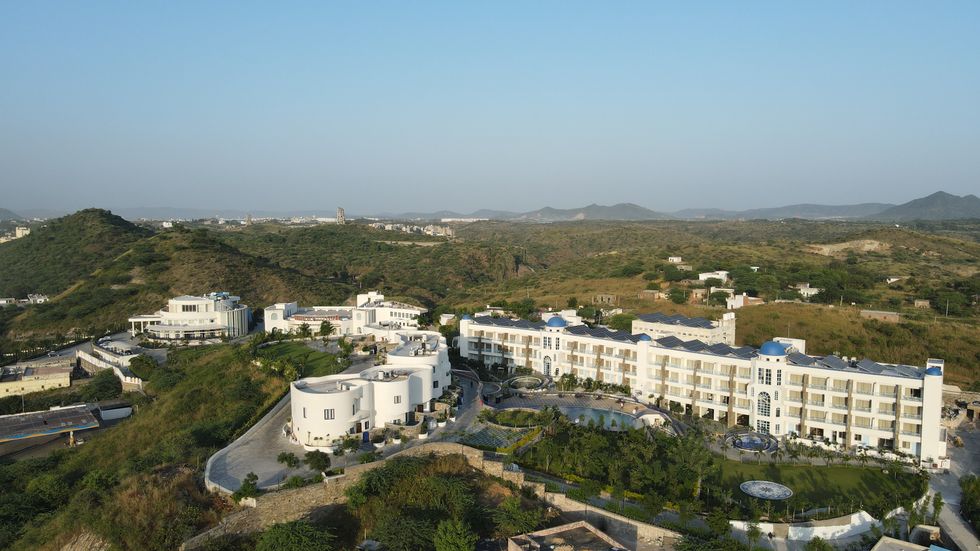 Ramee Royal Resort & Spa in Udaipur, Rajasthan, near the city’s historic attractions.Ramee Group of Hotels
Gahoi sees tier-2 and tier-3 cities as the next frontier for hospitality growth. Improved connectivity, lower land costs, less market saturation and strong local demand are making destinations such as Gaya, Solapur and Coimbatore attractive.
But these markets require an approach different from metro hotels.
“A property in a tier-2 city may need to serve pilgrims, families, business travelers and wedding groups within the same week,” he said. “That makes flexibility in room design, dining and banquet facilities important.”
For Ramee, the expansion into spiritual and cultural markets reflects a broader decentralization of Indian hospitality, where spiritual, cultural, leisure and business travel increasingly intersect.
“The shift points to a hospitality market where understanding local demand may matter as much as the traditional metro-focused business model,” he said. “For operators willing to adapt their products and services to the purpose of travel, emerging destinations could become an increasingly important source of growth.”
HVS Anarock’s July report, “The Rise of Faith-led Hospitality in India,” found that religious and spiritual destinations account for only about 6% of India’s branded hotel inventory, or roughly 13,100 keys across 190 properties, out of about 214,900 branded keys.