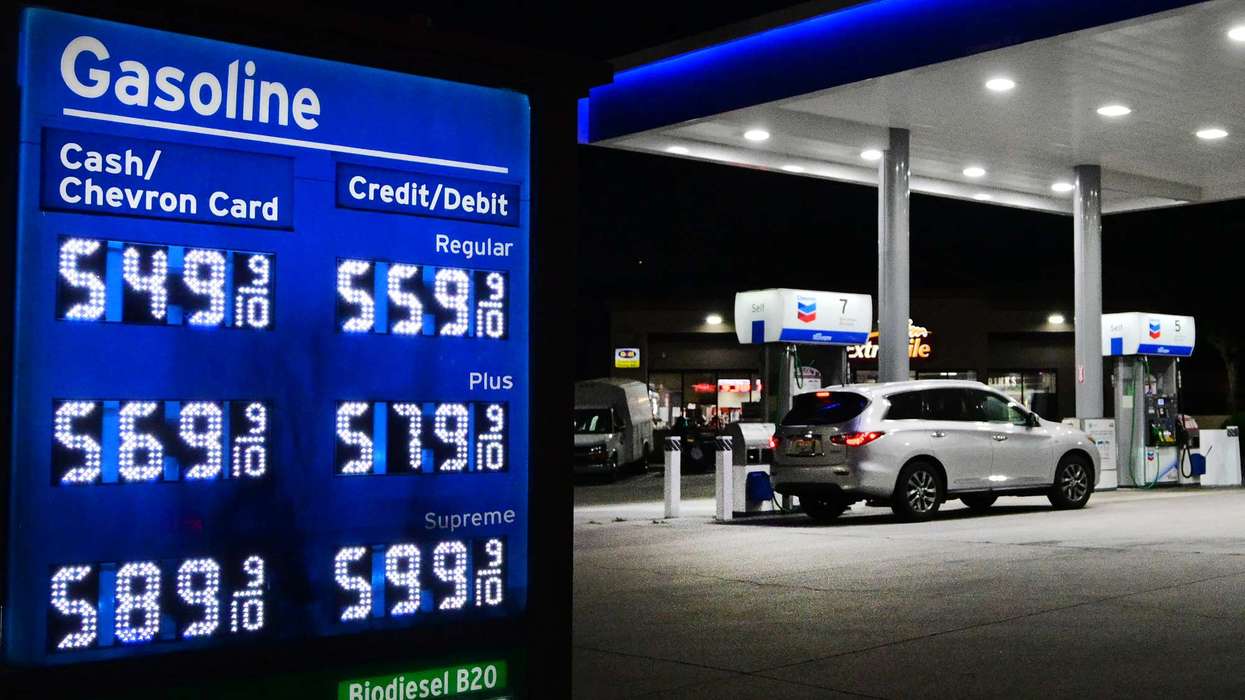

- AAA: U.S. gasoline prices rose 27 cents to $3.25 after the Iran conflict.
- The surge comes as the conflict threatens the Strait of Hormuz.
- The outlook depends on how long the conflict lasts.
U.S. GASOLINE PRICES surged after U.S. and Israeli strikes on Iran disrupted energy markets and shipping in the Middle East, according to AAA Travel. The national average price for regular gasoline rose 27 cents in a week to $3.25 per gallon as crude oil prices climbed on supply concerns.
The rise in fuel costs is raising concerns across the travel industry, according to Fox News. Airlines face higher jet fuel costs and may reduce schedules or raise fares, increasing ticket prices on long-haul routes.
“The recent increase puts the national average at the same price as it was in early April of 2025,” AAA said in a fuel report, noting the 27-cent rise was among the largest weekly increases since early 2022.
The price surge reflects pressure in oil markets as the conflict threatens shipping through the Strait of Hormuz, which carries about one-fifth of global oil supply. Disruptions to tanker traffic and attacks on energy infrastructure have pushed oil prices higher and tightened supply expectations. Meanwhile, the Pentagon and the National Security Council underestimated Iran’s willingness to close the Strait of Hormuz in response to U.S. strikes, CNN reported.
Crude prices have risen since the conflict began, with Brent moving above $100 a barrel at times as markets priced in supply risks, Reuters reported. Analysts said sustained disruption could increase inflation and weigh on consumer spending in the United States, where fuel costs affect transportation, shipping and travel demand.
Higher fuel costs affect the travel sector because jet fuel is a major expense for airlines, Fox News reported. When oil prices rise, carriers may adjust fares or capacity and some routes may become unprofitable, prompting schedule cuts or fewer seats.
Analysts say that if fuel prices remain high through the summer travel season, travelers may see fewer discounted fares and higher ticket prices, Fox News reported. Airlines may also delay route expansions or shift capacity while monitoring fuel price volatility tied to geopolitical developments.
The economic impact extends beyond travel, media reports said. Rising energy costs can increase transportation and logistics expenses across sectors including agriculture and manufacturing, which rely on fuel for distribution and production. Economists warn sustained oil price shocks can drive inflation and weigh on consumer spending.
Financial markets have reacted to the energy shock, according to TechStock2. Oil futures and gasoline contracts rose in early March trading as traders assessed the risk of disruptions to Middle East exports and tanker routes.
A report by the World Travel & Tourism Council said the conflict involving Iran is costing the global travel and tourism sector about $600 million a day in international visitor spending as disruptions to air travel, traveler confidence and regional connectivity reduce demand across the Middle East.
The situation may change depending on how long the conflict continues and whether shipping routes reopen, media reports said. If disruptions persist or escalate, analysts say pressure on energy markets could increase, driving fuel prices higher and affecting travel, transportation and household budgets in the months ahead.