
Skip to content

Search

Latest Stories

CoStar: U.S. hotel performance up in mid-October, YOY results up

Tampa's occupancy rose 23.6 percent, driven by displacement demand from Hurricane Milton

CoStar: U.S. hotel performance up in mid-October, YOY results up

U.S. HOTEL PERFORMANCE improved in the third week of October, with positive year-over-year comparisons, according to CoStar. Key metrics showed a slight decrease in occupancy, while RevPAR and ADR increased week-over-week.

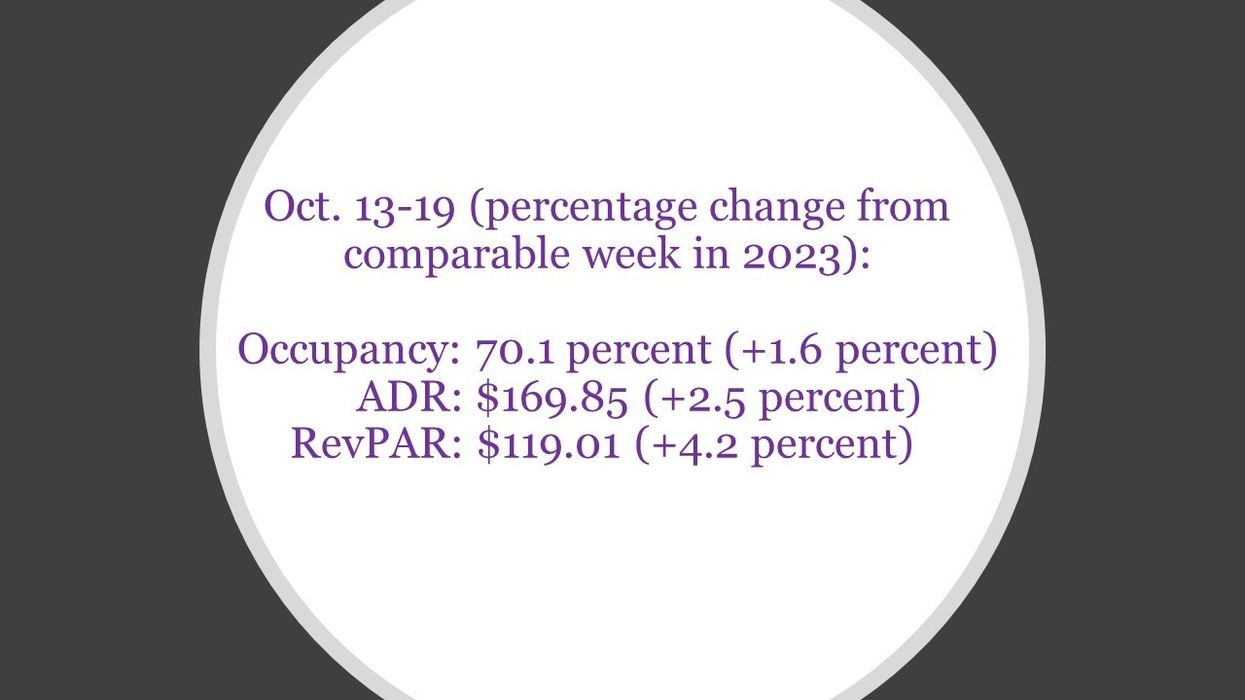
Occupancy declined slightly to 70.1 percent for the week ending Oct. 19, down from 70.3 percent the previous week, though it rose 1.6 percent year-over-year. ADR increased to $169.85 from $166.88, a 2.5 percent year-over-year gain. RevPAR rose to $119.01 from $117.28 the previous week, up 4.2 percent from the same period in 2023.


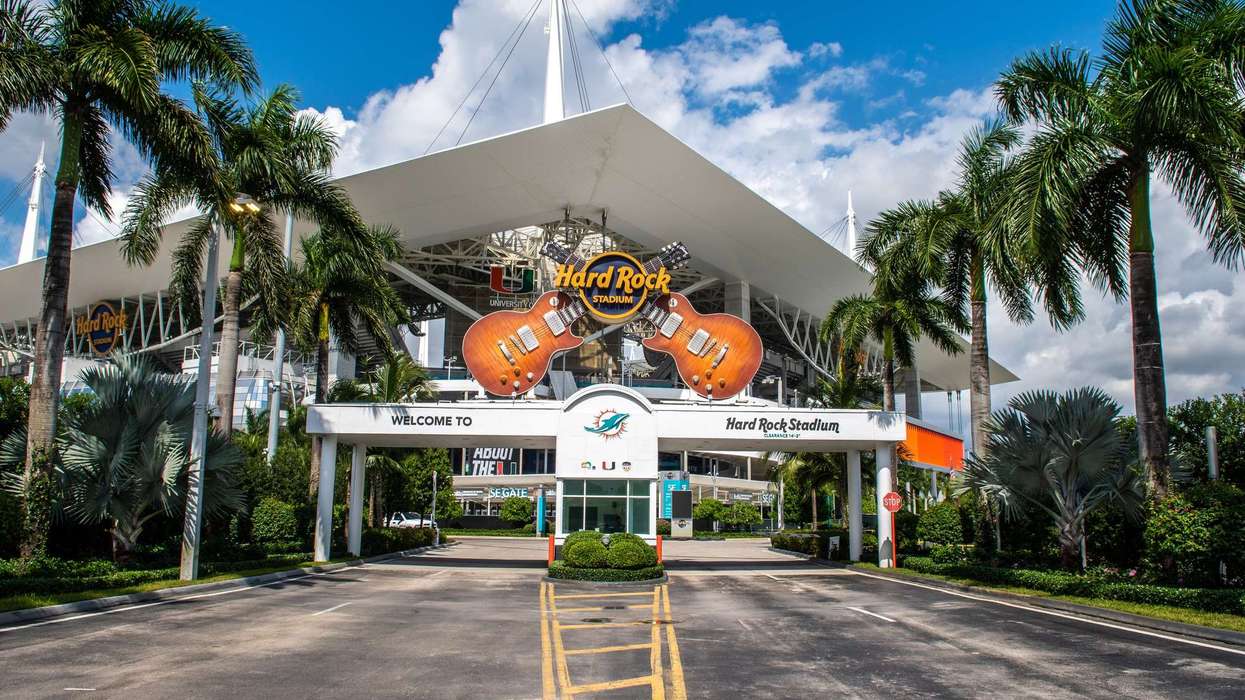
Among the top 25 markets, Tampa saw the largest occupancy increase, up 23.6 percent to 83.7 percent, driven by continued displacement demand from Hurricane Milton. Miami recorded the highest increases in ADR, up 29.9 percent to $245.28, and in RevPAR, up 35.5 percent to $179.72. The market's performance was driven by Taylor Swift's Eras Tour and Adobe MAX 2024.

Las Vegas saw the steepest RevPAR decline, down 19.5 percent to $192.14, followed by Denver, down 12.5 percent to $105.98.

More for you

Report: Hospitality Industry Shift from Growth to Efficiency
Photo credit: iStock

Report: Hospitality moves from growth to efficiency

Summary:

  • Hospitality is shifting from expansion to optimization post-pandemic.
  • Deal activity remains steady and selective, led by strategic buyers.
  • The largest H&L deals in late 2025 involved digital platforms.

THE HOSPITALITY INDUSTRY shifted from expansion to optimization after several years of post-pandemic normalization, according to Pricewaterhouse Coopers. Deal activity remains steady but selective, with strategic buyers accounting for most transactions.

PwC’s “U.S. Deals 2026 Outlook” found that buyers seek assets that extend digital capabilities, reinforce brands and add experiential value. Third-quarter deal volume rose about 40 percent from the second quarter, driven by improving financial conditions and clearer trade and macro risks.

Keep ReadingShow less