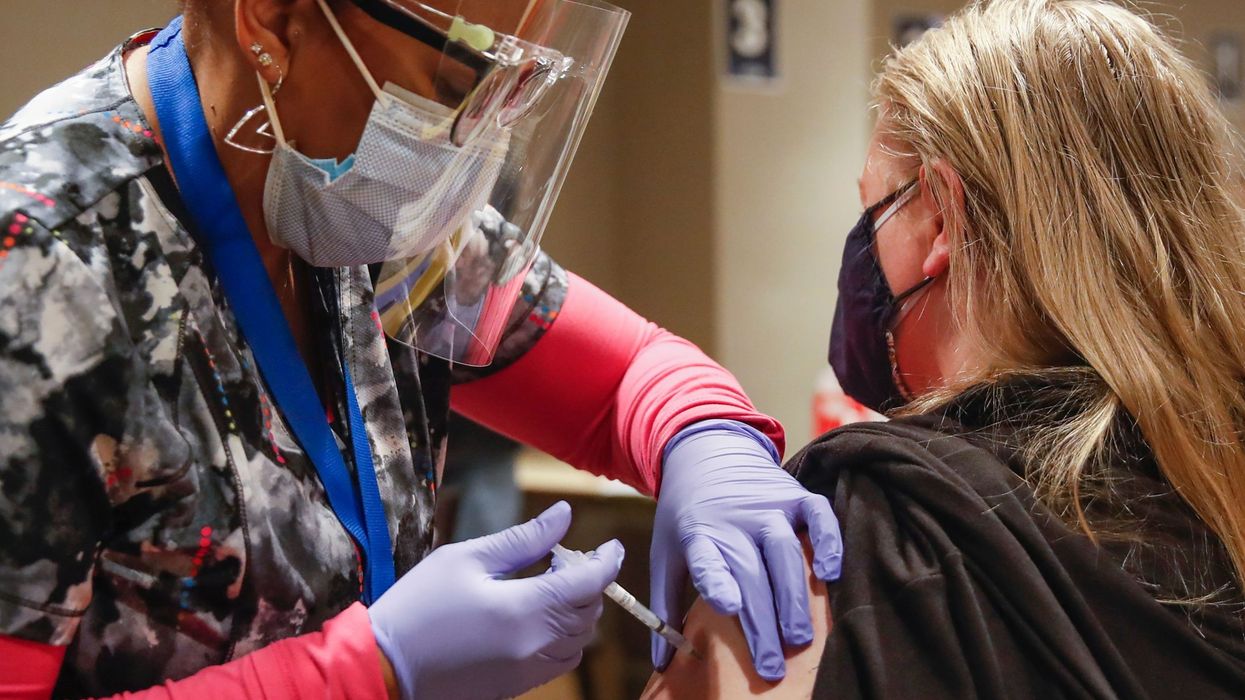

TRAVEL JUST BECAME much easier for those who have been fully vaccinated against COVID-19, according to new federal guidelines. That’s good news for the hotel industry, according to industry leaders.
Individuals who have passed two weeks since their final dose of vaccine, can now travel throughout the U.S. without a need for COVID-19 testing or post-travel self-quarantine, according to the new guidelines from the Centers for Disease Control and Prevention released Friday. They still must take standard precautions, including mask wearing, avoiding crowds, socially distancing, and washing hands frequently.
“With millions of Americans getting vaccinated every day, it is important to update the public on the latest science about what fully vaccinated people can do safely, now including guidance on safe travel,” said Dr. Rochelle Walensky, CDC director. “We continue to encourage every American to get vaccinated as soon as it’s their turn, so we can begin to safely take steps back to our everyday lives. Vaccines can help us return to the things we love about life, so we encourage every American to get vaccinated as soon as they have the opportunity.”
The agency issue somewhat more restrictive guidance for international travel, due in part to concern over the spread of new coronavirus variants in other countries. Vaccinated individuals can travel internationally without getting a COVID-19 test beforehand unless required by their destination, and they do not need to self-quarantine upon their return to the U.S. unless required by local authorities.
However, the CDC does require that they have a negative COVID-19 test result before they board a flight to the U.S., and they must take another test three to five days after their return. Also, they should continue to take COVID-19 precautions during their trips.
The new guidelines are likely to encourage travel, and that will benefit U.S. hotels, said Cecil Staton, president and CEO of AAHOA, in a statement.
“For more than a year, lockdowns, curfews, and quarantines in response to the pandemic decimated the travel and tourism industry as people simply stopped traveling. The Biden administration’s aggressive vaccination goals and recent studies on the different vaccines’ real-world effectiveness are giving people the confidence they need to safely resume pre-pandemic activities like travel,” Staton said. “It could not have come at a better time for hoteliers, for the gradual reopening of America now could lead to significant increases in occupancy and revenue during the summer season. The hotel industry’s road to economic recovery is long. A full recovery remains unlikely until at least 2023, but this news is a shot in the arm to the hotel owners and hospitality professionals who are eager to welcome guests back into their hotels and communities.”
A survey released this week from G6 Hospitality is the most recent to show that growing optimism for travel this year. In that survey of 2,000 adults, 49 percent said receiving a COVID-19 vaccine would help them feel more safe to travel.