
Summary:
- Two U.S. delegations are in New Delhi this week as a trade deal remains unresolved.
- The meetings show both sides are maintaining communication.
- The visits follow Russian President Vladimir Putin’s trip to India to boost economic ties.
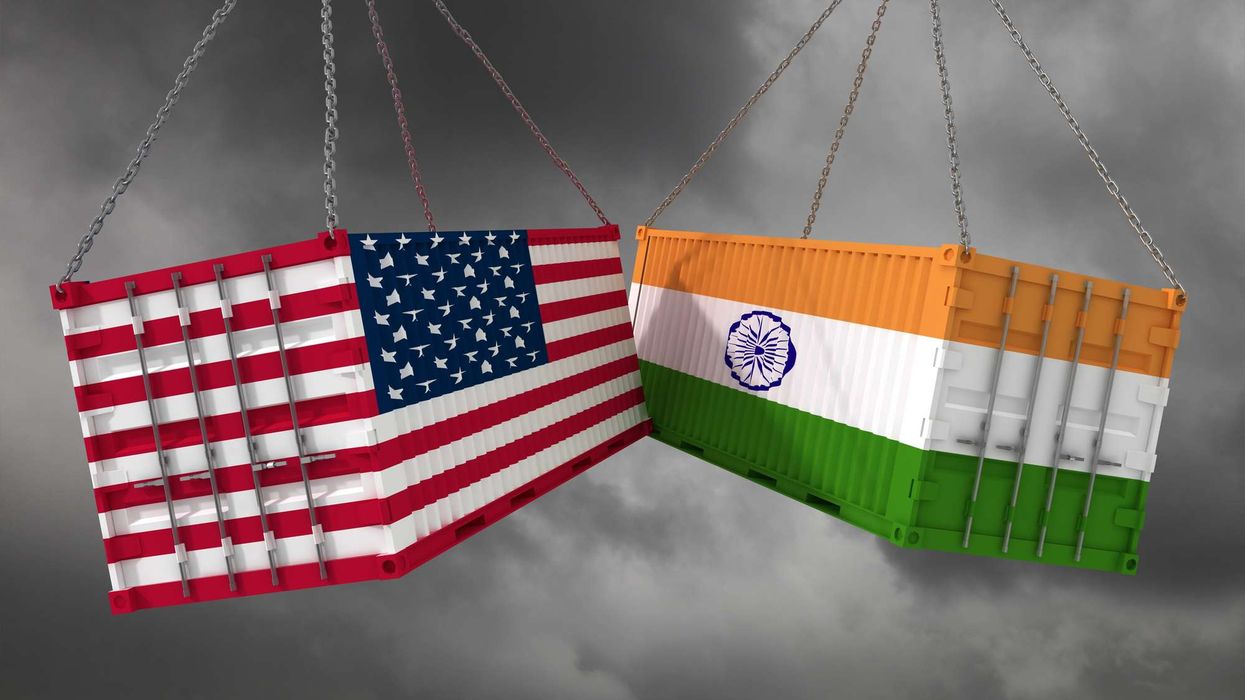
TWO SEPARATE U.S. delegations are in New Delhi this week to meet Indian counterparts and address bilateral ties as a trade deal remains unresolved. At the same time, New Delhi is exploring trade options with other countries, including Russia.
Allison Hooker, Under Secretary of State for Political Affairs, will meet senior Indian officials from Dec. 7 to 11. A team led by Deputy U.S. Trade Rep. Rick Switzer arrives Tuesday.
The U.S. visits come days after Russian President Vladimir Putin’s trip to India to strengthen economic ties and highlight his relationship with New Delhi, despite Trump’s pressure, according to Bloomberg. President Donald Trump imposed 50 percent tariffs on Indian goods in August over trade barriers and purchases of Russian oil.
Although Trump has toned down his rhetoric, saying in November he will reduce tariffs “at some point,” he remains critical of India’s trade practices. On Monday, he signaled he could act against India for alleged dumping of Indian rice in the U.S. market, according to media reports.
Officials in New Delhi familiar with the matter said they do not expect the talks to produce an immediate trade announcement, according to Bloomberg. The meetings indicate both sides are keeping communication channels open and working to maintain the broader relationship.
Switzer is expected in India from Dec. 9 to 11 with chief trade negotiator Brendan Lynch, Bloomberg reported, citing people familiar with the matter, to advance negotiations on a broad trade agreement. India’s commerce secretary recently said he was optimistic the two sides could finalize the first tranche of the deal, covering tariff rates, before year-end. India’s Ministry of Commerce and Industry and Ministry of External Affairs did not respond to requests for comment.
Officials in New Delhi noted that both sides continue to engage at an institutional level, including annual military exercises in Alaska in September and security discussions at the U.S.-India 2+2 Intersessional Dialogue in August. Last week, the two countries held a joint working group meeting on counter-terrorism.
Analysts tracking India-U.S. relations say the two countries are working to steady bilateral ties after months of tension.
“Both sides are trying to move beyond where the relationship was, and after tariffs were imposed, there have been sustained high-level negotiations between the two,” said C. Raja Mohan, a visiting professor at the Institute of South Asian Studies at the National University of Singapore, according to Bloomberg.
Mohan said the engagement shows the two countries are working to overcome the current friction.
India-U.S. relations have also strained over Trump’s claims that he brokered a ceasefire between India and Pakistan during the four-day conflict in May and used trade as leverage. New Delhi has repeatedly rejected the claims.
While the latest talks indicate progress, the trade deal remains unclear.
Ajay Srivastava, founder of the New Delhi-based think tank Global Trade Research Initiative, said the U.S. should remove the 25 percent tariff on India imposed over its oil purchases from Russia.
“The trade deal is the next step,” he said.