Summary:
- The U.S. plans to collect social media history from certain visa-free foreign visitors.
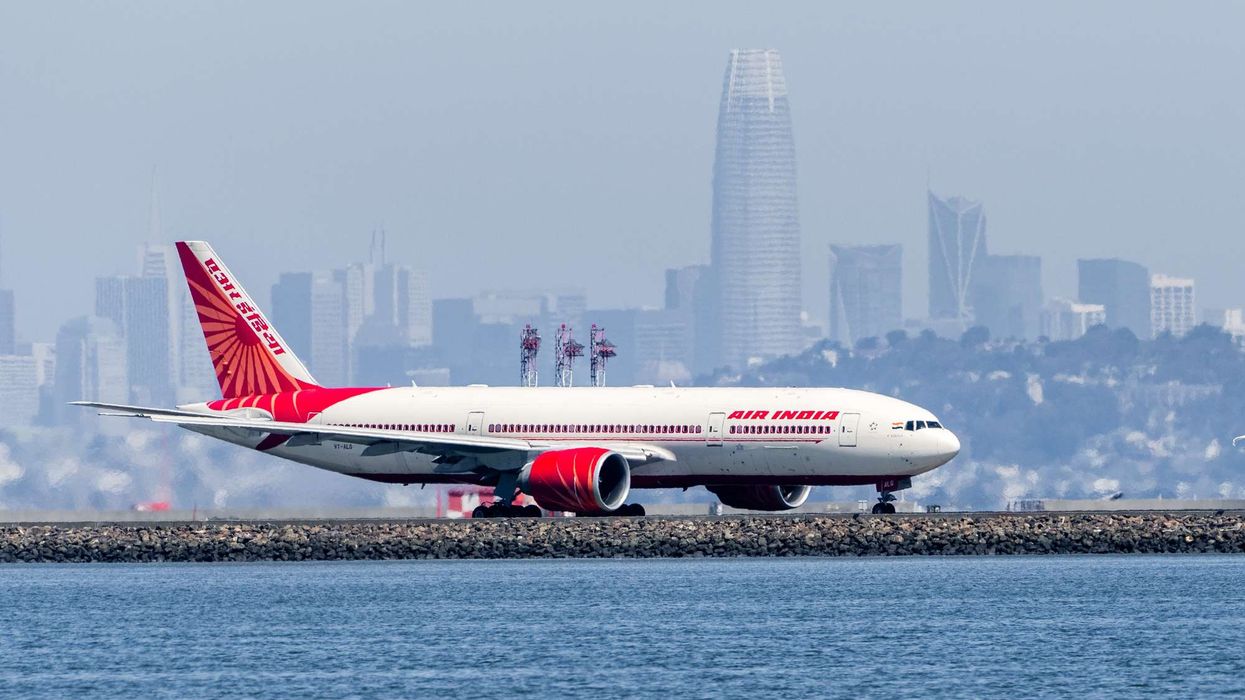
- The rule does not apply to Indian travelers as India is not in the Visa Waiver Program.
- The proposal received a 60-day notice for public comments.
THE U.S. IS proposing that foreign visitors, including those from Australia, Germany, Japan and the United Kingdom, who currently enter without a visa, provide their social media history from the past five years. This rule does not apply to Indian travelers, as India is not in the Visa Waiver Program.
The proposal received a 60-day notice for public comments.
The U.S. already requires social media details for many other visas that Indians apply for, such as tourist visas. The U.S. Embassy in India has said that giving incorrect or incomplete social media information can lead to a visa denial, according to the Indian Weekly.
Over the past year, the U.S. has increased digital checks across many visa types. Student visa applicants must make their social media profiles public and H-1B applicants now face an “online presence review.” As a result, H-1B visa interviews in India were postponed, creating confusion for many applicants.
U.S. Customs and Border Protection is adding social media as a required data element for travelers entering the U.S. under the Visa Waiver Program, Bloomberg reported, citing a Department of Homeland Security notice. The rule would apply to travelers from about 40 countries who can stay in the U.S. up to 90 days without a visa and are screened through the ESTA system.
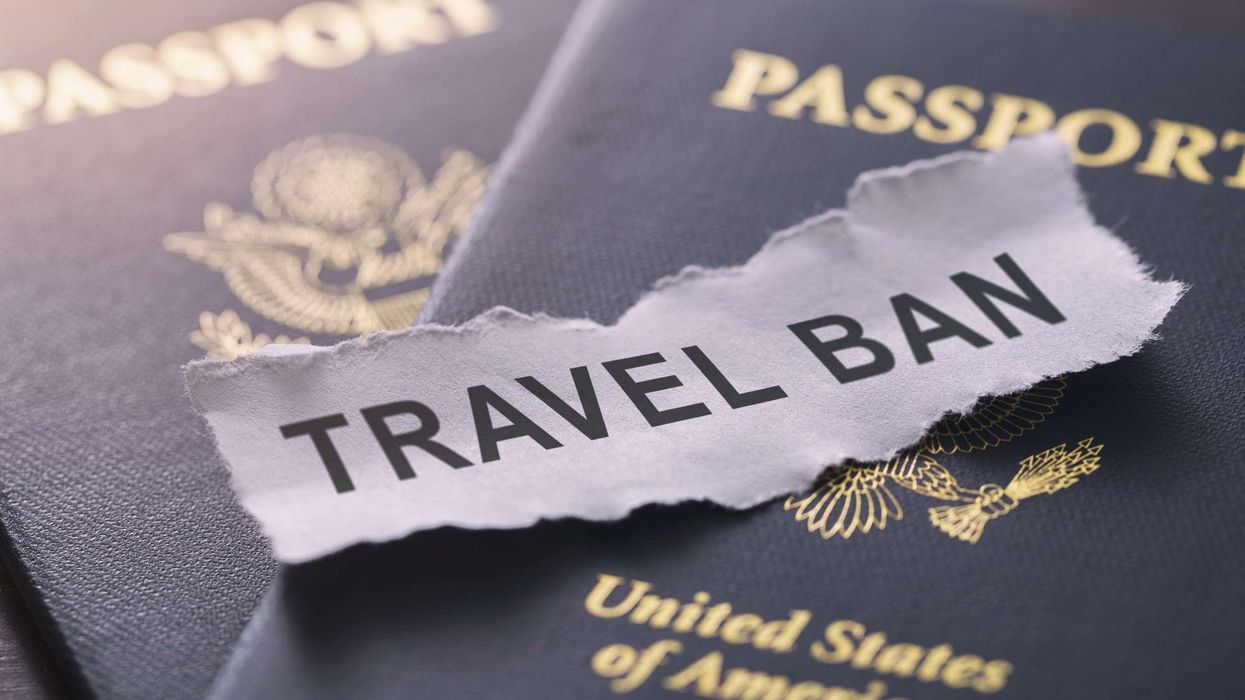
The plan is the latest in a series of Trump administration measures to restrict entry, including a proposed travel ban for about 30 countries announced after the Washington National Guard shootings. The U.S. will launch a re-review of approvals for people from those nations who entered on or after the start of President Biden’s term in 2021, U.S. Citizenship and Immigration Services said in a memo.
The country is also on track for a decline in foreign visitors and tourist spending. May data show travel revenue may drop $12.5 billion in 2025, with total visitor spending falling below $169 billion. It is also forecast to see its first decline in foreign tourists in five years, with 67.9 million visits in 2025, down from 72.4 million in 2024, the U.S. Travel Association said.
The U.S. was the only one of 184 economies analyzed by the World Travel & Tourism Council and Oxford Economics in May projected to lose tourism revenue this year, Bloomberg reported. The decline was attributed to lingering Covid-era travel rules, a strong dollar and a shift in perceptions of the U.S. from the Trump administration’s “America First” policies.
DHS recently said it is expanding its travel ban to more than 30 countries. This follows a previous ban on citizens from 12 countries and restrictions on seven others for national security reasons. The expansion builds on measures taken after the Nov. 26 shooting of two National Guard members in Washington, D.C.
The stricter rules could affect sports fans visiting the U.S. for events such as the FIFA World Cup next year or the 2028 Summer Olympics.