
NEARLY EIGHT IN 10 Americans plan to travel by car to their summer destination, with the majority citing the enjoyment of driving, according to a recent survey commissioned by G6 Hospitality, parent company of the Motel 6 and Studio 6 brands. Most travelers prefer hotel stays, though they acknowledge that cost will influence their travel plans.
The study, surveying 2,000 Americans with summer leisure plans, found that 80 percent distinguish between a "trip" and a "vacation".
"There's nothing better than cruising on the highway with the windows down, sun shining and music playing, especially when you're surrounded by your loved ones – even those on four legs," said Julie Arrowsmith, G6 Hospitality’s president and CEO. "Whether you're the planner or just along for the ride, Motel 6 and Studio 6 provide pet-friendly and affordable lodging so you can relax, enjoy the journey and focus on creating memories."
Summer travel trends
With diverse lodging options available, 61 percent of survey respondents opt for hotels, followed by 27 percent for rental homes and 22 percent who prefer staying with family. When staying in hotels, 57 percent of travelers keep their items in their luggage, 34 percent use the dresser and 47 percent use the closet.
Nearly nine out of 10, or 87 percent, of those with summer leisure plans say that cost and budget will impact their travel. This may explain the increased importance of discount programs while traveling, now valued by 79 percent, a 13 percent rise since 2023.
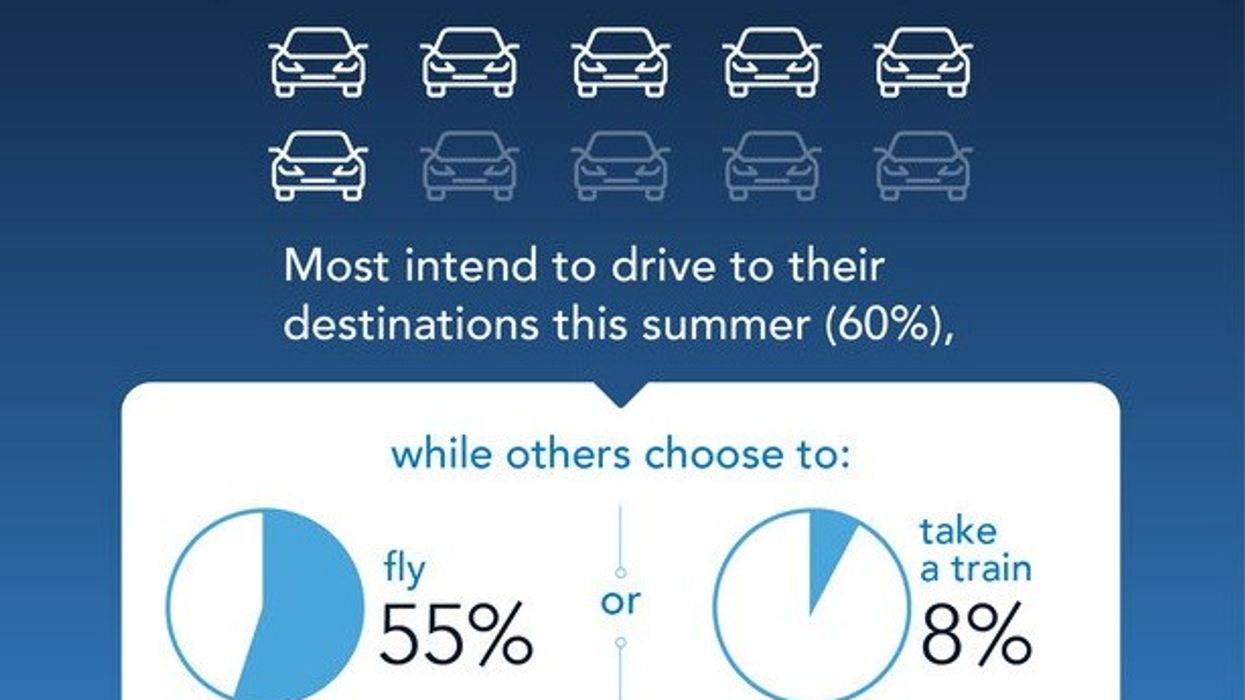
About 60 percent of respondents plan to drive to at least one destination, while 65 percent will fly and 8 percent will travel by train, the survey found. Although the journey to the vacation can be an adventure, 59 percent believe that arriving at the hotel or destination marks the official start of their vacation.
Vacations vary for everyone, the study said. Over half, 53 percent, define "vacation" as travel for relaxation. Another 32 percent see a "trip" as travel for a purpose, like an event, or for 30 percent simply getting out of their hometown.
Around 59 percent of travelers seek relaxation and unplugging this summer, 48 percent plan to attend a family or friend reunion, and more than 36 percent aim to explore a new city, the survey found. Regarding timing, only 9 percent consider holiday weekends ideal for travel, while more than two-fifths, or 43 percent, prefer a mix of holiday and off-holiday weekends.
AAA recently reported that approximately 43.8 million Americans will travel 50 miles or more from home over Memorial Day Weekend, exceeding pre-pandemic figures by 4 percent and approaching the 2005 record of 44 million travelers.