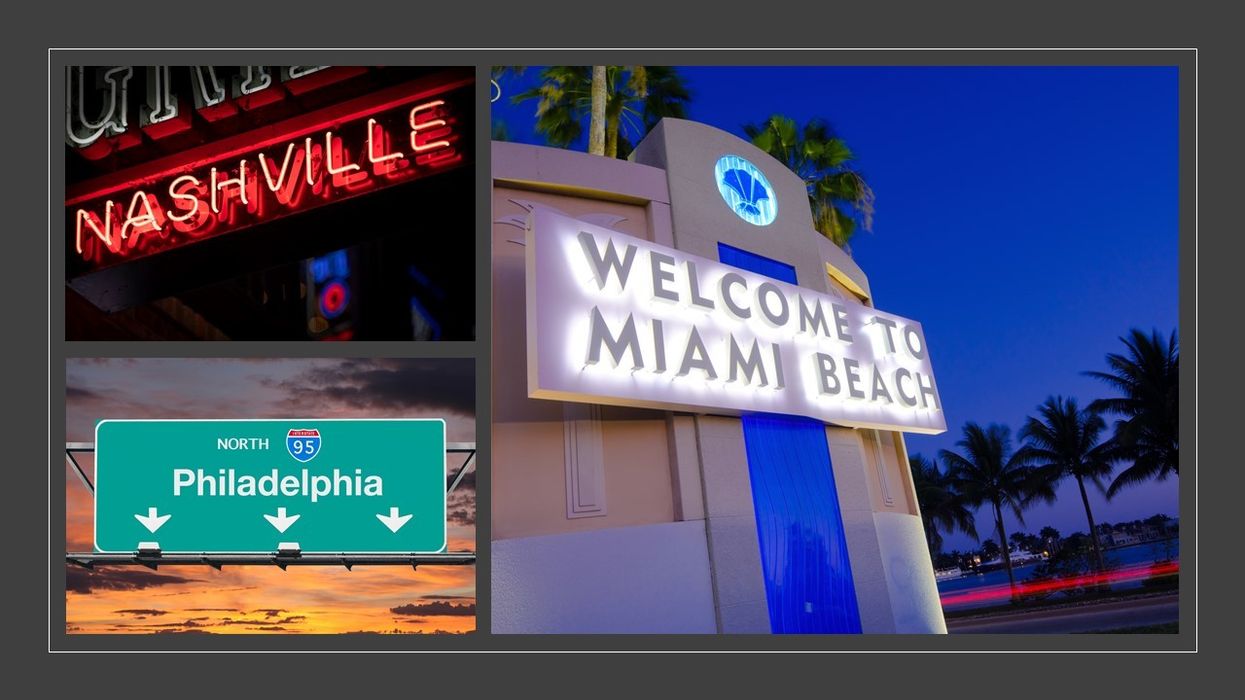

DESPITE A MIXED performance in January, short-term rentals outperformed hotels in three markets, Miami, Nashville and Philadelphia, according to STR. The data comes from an expansion of a pilot program STR undertook to study the short-term rental market.
The results for each city compared to December are:
Miami
Occupancy for short-term rentals in the city was 78.7 percent, down 4.6 percent from the previous month. ADR was $170.70, up 9.6 percent, and RevPAR was $134.30, up 4.5 percent.
“Miami short-term rental occupancy came in lower than recent months, but the ADR level was the market’s highest since March 2020. As a result, the market’s RevPAR was its highest since February 2020,” STR said. “For comparison, January occupancy for Miami hotels came in at 54.5 percent.”
Nashville
Occupancy was 52.9 percent, up 4.2 percent from December. ADR was $90.12, down 10.2 percent, and RevPAR $47.71, a 6.4 percent decrease month-over-month.
“While occupancy was up from December, Nashville’s short-term rental ADR and RevPAR were its lowest since the summer. Hotel occupancy in the market was lower in comparison, at 33.8 percent,” STR said.
Philadelphia
Occupancy was 47.5 percent, a 1.3 percent increase from December. ADR was $161.14, a 0.4 percent decrease, and RevPAR was $76.51, up 0.8 percent.
“Philadelphia short-term rental ADR was its lowest since June. The market’s hotel occupancy was 35.1 percent,” STR said.
STR’s report from the pilot program with AirDNA found short-term rentals were outperforming hotels during the pandemic despite the mixed results.
“Building on STR’s world-leading hotel performance database, Miami, Nashville and Philadelphia are the first three U.S. markets where the company has expanded its benchmarking offerings via a pilot study. Included in STR’s short-term rental sample are both multifamily and single-family short-term rentals.”