
- SBA loan rule will affect immigrant entrepreneurs, say AAHOA leaders.
- Rule could impact family-run and immigrant-owned hospitality businesses.
- Restrictions could cause lenders to refuse green card holders.
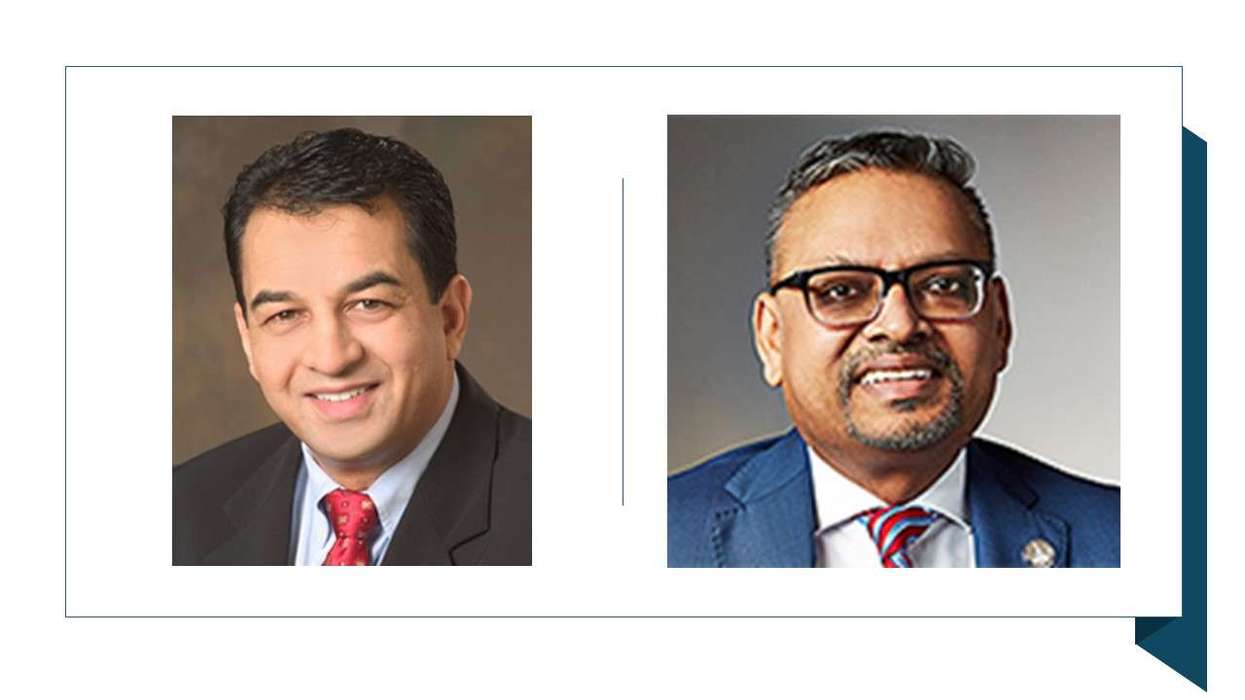
THE SMALL BUSINESS Administration’s decision to bar green card holders and other non-U.S. citizens from its main lending program will affect immigrant entrepreneurs, said two AAHOA past chairs. The rule could have long-term effects on the hospitality industry, which relies on family-run and immigrant-owned businesses.
Starting March 1, only U.S. citizens or nationals with a principal residence in the U.S. or its territories will be eligible for the 7(a) loan program, the SBA’s primary small business financing vehicle. Under the new rule, permanent residents fear losing access to opportunities they previously had. The move raised concern among immigrant entrepreneurs, including Indians, who have relied on SBA-backed loans to start and grow businesses.
SBA Administrator Kelly Loeffler said in a policy notice that all direct and indirect owners of a small business applicant must be U.S. citizens or nationals with a principal residence in the U.S., its territories, or possessions.
The SBA has helped immigrants, women and minorities start and grow businesses, said Mukesh "Mike" Patel, who chaired the association from 1998 to 1999. That service should benefit non-citizen residents as well.
“Let's say someone comes in and works at a hotel on a green card, or work somewhere on a green card, for him to go and buy a Dunkin Donuts or a Blimpie or a Subway sandwich shop, you'll need about $300,000 and so you'd muster up about $5,200 grand. He needs a $200,000 loan,” Mike Patel said.
Under previous administrations, the SBA guaranteed 70 to 80 percent of loans, enabling banks to lend to applicants with limited credit history or no financial network.
“A lot of people were able to go into a gas station business and smaller businesses, because they could be—when you knew no one, no one gives you credit,” Mike Patel said. “But the bank was assured that 70 or 80 percent was guaranteed by the government. That made a lot of American dreams happen.”
Change could block families from hospitality
Bharat Patel, AAHOA chair from 2023 to 2024, said the change could block entire families from the hotel and hospitality industries.
“What if you have a hotel owner operator whose cousin, uncle or someone else wants to get in the business but only has a green card, because either he's not a citizen yet, or he chose not to become a citizen because number of reasons?” Bharat said.
Bharat said many immigrants keep foreign citizenship for personal or family reasons, even after decades in the U.S.
“In India, for example, there's been 11 generations there on a family’s piece of land,” he said. “Some may not want to be the last person to give it up.”
He stressed that the SBA guarantees private loans rather than lending directly and argued that restricting green card holders undermines job creation and private lending.
“I get the principle of America should lend to Americans, but what I'm saying is, with permanent residents, we're not giving money to undocumented workers,” he said. “We're giving money to permanent residents. We're not giving money to people who got off a boat in Cuba, they have temporary authorization to live in America or to work in America.”
Meanwhile, U.S. Citizenship and Immigration Services data show India was the second-largest source of green card recipients in fiscal year 2024. A 2022 report by the National Foundation for American Policy found Indian American-owned companies generate $150 billion in revenue and employ more than 800,000 people nationwide.
“Take a typical AAHOA member he's a citizen and he wants to get other family members into the business. Guess what they're doing? They're assimilating to society and they're creating jobs, but they're a permanent resident, whether by choice or because of time frame,” Bharat said. “They can't even put up their life savings and become a stakeholder in a motel so that now they have ownership in the motel. How do you succeed in the motel business? You're stopping them from creating the American dream.”
Systemic issues worsen the impact
Mike Patel highlighted systemic issues that compound the problem.
“Construction costs are rising and the SBA’s $5 million lending cap limits many projects,” he said. “Biggest gripe is construction costs. The SBA limit of $5 million is not enough. Needs to be more like $10 million.”
He said legislation to raise the cap is still pending. Banks have grown cautious due to rising defaults on hotel and commercial real estate loans, he said, citing the TRP report, further limiting access to capital.
“I don't think the government wants to move on the SBA, for some reason, as aggressively as the Democrats were and giving latitude so people can get in their own business,” Mike Patel said. “You also have women who want to step down and retire and buy a beauty shop or a small business but they can't even do that right now. Banks are very cautious right now.”
Bharat warned the new restrictions could encourage lenders to refuse to finance green card holders.
“What if the bank goes, ‘Wait a minute, we have a lot of permanent residents that own a lot of businesses, so let's not renew [their loans],’” he said. “SBA creates those tactics. Once they move and they change those rules, it impacts private sector lending. When that does that, what happens? Money runs underground. So, if I was Hilton or Marriott, I would be yelling bloody murder.”
For many Indian American entrepreneurs, he said, the American dream is not just about earning a living—it’s about building a family business and creating generational wealth.
“For a lot of Indian American entrepreneurs, the American dream is to set up a house with a white picket fence,” Bharat said. “It is owning your own business.”
AAHOA did not return a request for comment on the new SBA restriction in time for this article.