
- About 90 percent of travelers are aware of and use AI for travel planning, TakeUp reported.
- 55 percent have not used AI, citing concerns about accuracy, pricing and personalization.
- More than 80 percent are more likely to book a hotel via a trusted AI recommendation.
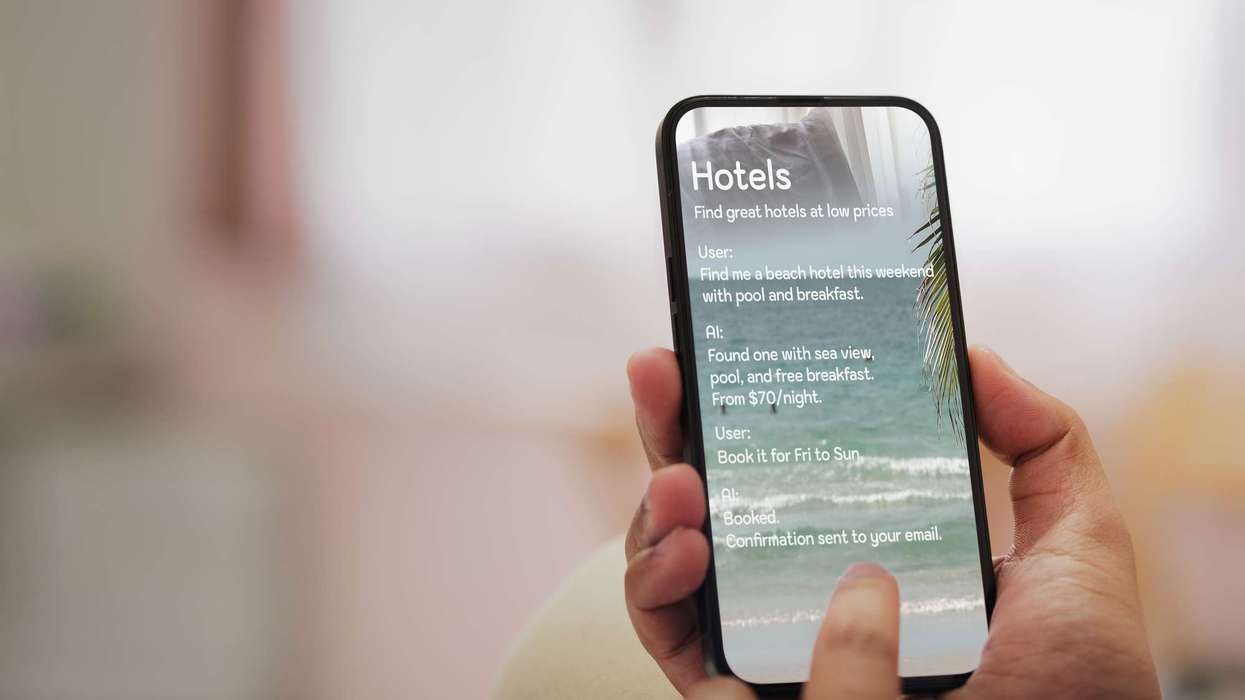
APPROXIMATELY 90 PERCENT of U.S. travelers are aware that AI tools can help plan or book travel, according to a TakeUp study, an AI-powered revenue platform for independent hospitality properties. Travelers use AI to compare prices, evaluate accommodations and make booking decisions.
The TakeUp survey, “The Rise of AI-Planned Travel in 2026”, conducted by Pollfish, found that around 84 percent are more likely to book a hotel based on a trusted AI recommendation. At the same time, 55 percent of respondents have not used AI for travel planning, citing concerns about accuracy, real-time pricing and personalization.
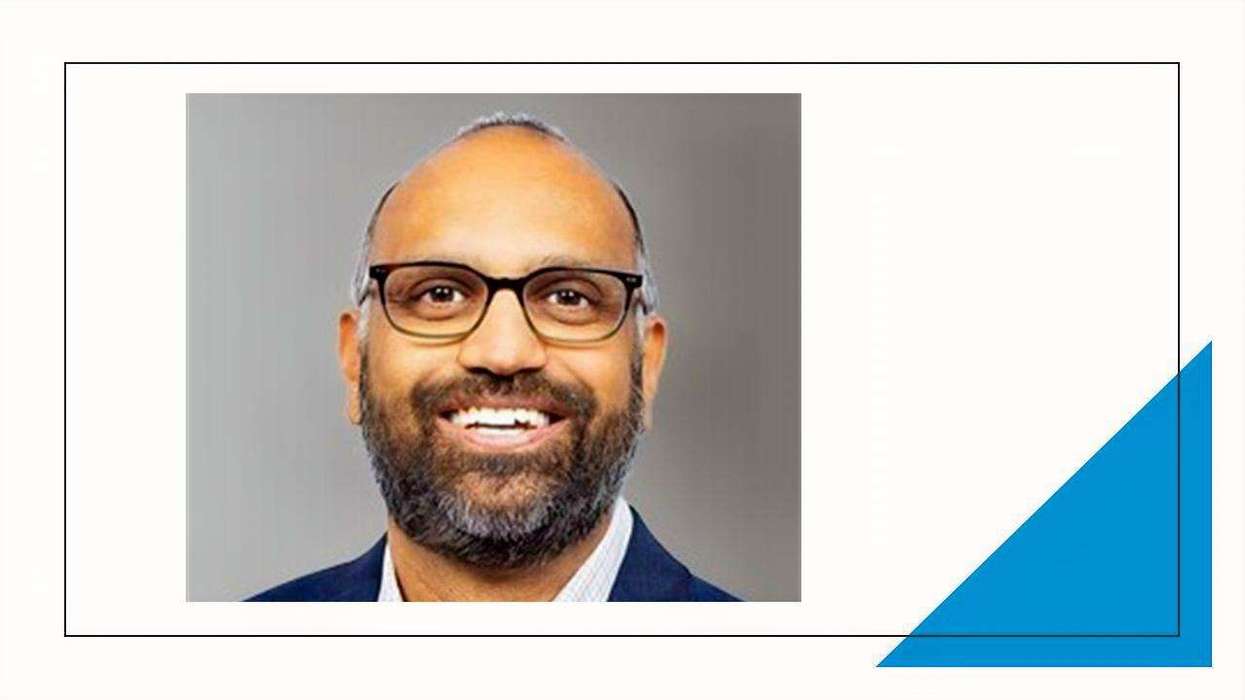
“Travelers are no longer just browsing with AI, they're using it to make real decisions about where to go, where to stay and what to book,” said Bobby Marhamat, TakeUp CEO. “This research makes it clear that AI is becoming a primary gateway for travel discovery and if your property is not showing up in AI recommendations, you are losing visibility and bookings.”
Among travelers who have used AI for trip planning, 63 percent rely on it for most or every trip and 96 percent said they would probably or definitely use it again. Price comparison is a primary use case, with 35 percent saying AI is most helpful for comparing prices across flights, hotels and activities.
The report found 94 percent of AI users trust AI-generated travel recommendations at least as much as other sources and 96 percent said they are satisfied with the recommendations. More than 75 percent have booked travel primarily based on an AI recommendation and 84 percent said a trusted AI recommendation would make them more likely to book a specific hotel. Travelers who have not used AI cited satisfaction with existing methods and lack of awareness as the main barriers, though most said they would try AI if it saved time or money.
Kourtney Thomas, TakeUp’s head of customer success, said AI is changing guest behavior faster than many independent properties expect.
“The properties that win will be the ones that make it easy to understand what’s included, what’s unique and why the stay is worth it,” he said.
The research showed increased demand for AI tools that provide real-time price alerts, recommendations based on past travel behavior and plans that adjust as conditions change.
The poll surveyed 300 U.S. travelers who took at least one overnight leisure trip in the past year.
Separately, a recent Amadeus report found that travel in 2026 will be shaped by advances in AI, aircraft and hotel technology. Other developments include virtual reality-enabled hotel rooms, sound-managed workspaces and improved options for traveling with pets.