AS REVPAR GROWTH continues to slow for U.S. hotels, independent boutique hotels continue to hold steady, according to a report from The Highland Group. The segment maintained high demand despite growing supply, resulting in higher ADR and RevPAR.
In 2019 the segment generated $22 billion in room revenue, according to The Boutique Hotel Report 2020. The supply of boutiques has grown 6 percent annually since 2000 while lifestyle hotels and soft brands grew annually on average 14 and 21 percent respectively. Occupancy for boutique hotels in 2019 ranged from 74 to 79 percent.
The unique experience and connection to the local area offered by the hotels is the primary draw for the segment, according to the report. The Highland Group expects it will continue to outperform traditional hotels into the future.
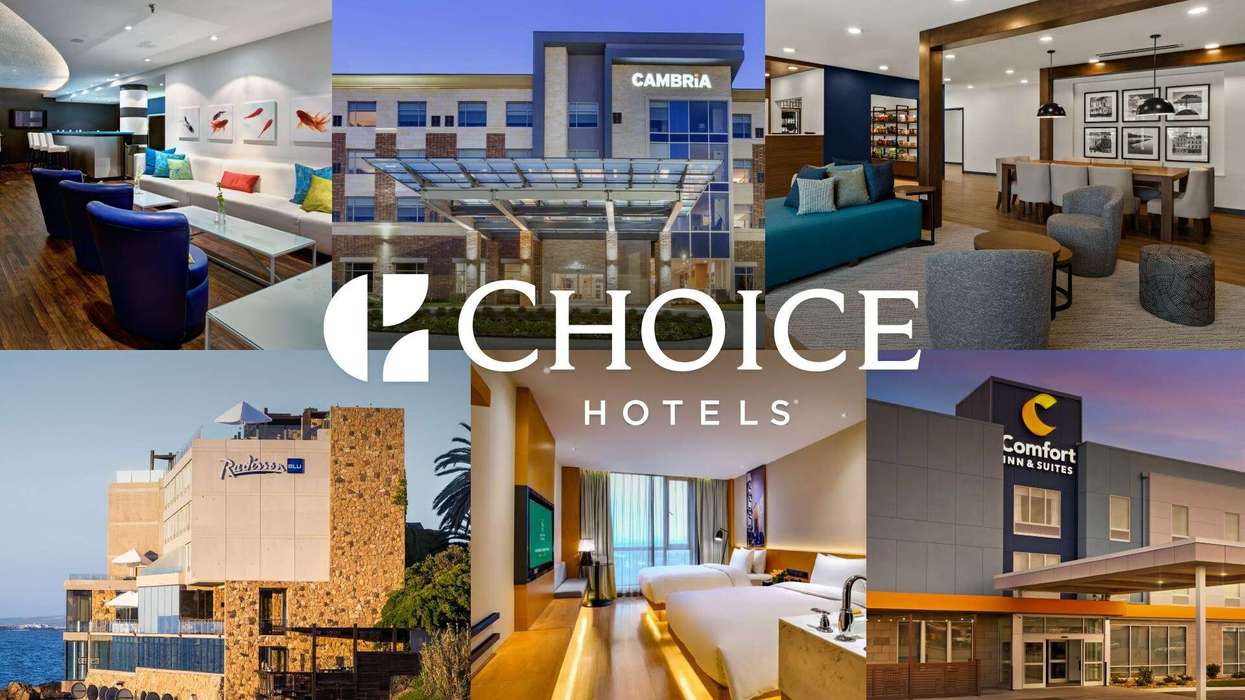
“Major franchise companies recognize the strong performance of this lodging type and continue to debut new lifestyle hotel and soft brand collections at differing price points.” said Kim Bardoul, partner at The Highland Group.
Last January, Frances Kiradjian, founder and CEO of Boutique and Lifestyle Leaders Association, said in article in Forbes magazine that, while large hotel companies are pursuing boutique properties, the owners of those hotels may not be eager to be acquired.
“By joining the larger groups, these independent hotels are forced to buy into the larger companies’ ‘brand standards’ and other rules, regulations and long-term agreements,” Kiradijian said. “Will these hotel owners continue to enjoy the tradeoff of independence for a little exposure to loyalty members and corporate groups, or will many of them find that their properties may not be properly housed in the right brand or don’t belong within a larger group at all? Only time will tell.”