
- Thousands of U.S. travelers stranded after strikes on Iran.
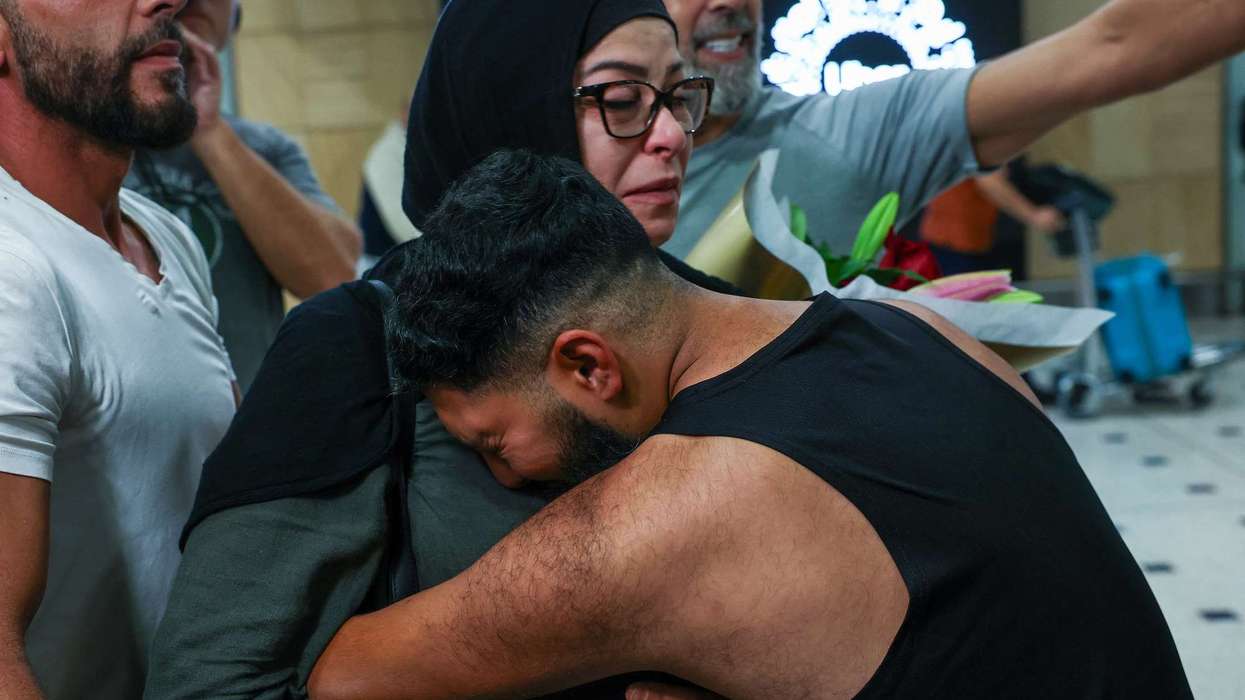
- More than 17,500 Americans have returned home, while many remain stranded.
- Lawmakers criticizing the administration over unclear evacuation planning.
THOUSANDS OF U.S. travelers remain stranded in the Middle East after U.S. and Israeli air operations against Iran prompted retaliatory attacks. Lawmakers and travelers are criticizing the administration for poor planning and unclear guidance during the evacuation.
The conflict disrupted regional airspace, leaving citizens uncertain how to evacuate. Americans are stranded in Jordan, Kuwait, Saudi Arabia, the UAE, Oman, Qatar and Cyprus, with embassies struck by Iranian drones and some compounds evacuated, according to NBC News.
U.S. President Donald Trump defended the response, saying there had been no evacuation plan because events unfolded too quickly.
“It happened all very quickly,” he told the media.
“These issues were predictable,” dozens of Democrats in Congress wrote in a letter to Secretary of State Marco Rubio, NBC reported. “The lack of clear preparation, planning and communication to Americans abroad is unacceptable and a violation of the State Department’s basic mission to provide consular assistance and the protection of U.S. citizens overseas."
U.S. citizens in Jordan, Kuwait and the UAE have received conflicting advice from the State Department, according to the NBC.
“They were told to evacuate as soon as possible in some places even though airports were closed. The State Department also advised people to contact U.S. embassies for assistance, only for them to be met with busy signals or by staffers unable to offer help,” the report said.
CNN highlighted the frustration of stranded Americans.
One traveler described feeling “just like a sitting duck.”
“The directive of the US government is completely unclear,” the traveler said.
“They are saying to shelter in place but also to seek out commercial flights and there was no advance warning that a war was about to break out.”
The administration has faced scrutiny from stranded Americans for what they said was a lack of guidance and assistance, CNN reported.
“There is widespread frustration,” said an American currently in the UAE who is trying to leave, according to CNN. “Do we head to the airport? Do we stay sheltered in place? The directive of the US government is completely unclear, they are saying to shelter in place but also to seek out commercial flights and there was no advance warning that a war was about to break out.”
Americans reported delays accessing consular guidance, with recorded messages initially telling callers, “Please do not rely on the U.S. government for assisted departure or evacuation at this time,” a passenger told CNN.
“There were many signs put out by the State Department… advising extreme caution and do not travel alerts to Americans in the region,” White House Press Secretary Karoline Leavitt said.
Government response
The U.S. response includes military and charter flights, expanded commercial options and embassy coordination, but airspace closures, damaged diplomatic facilities and prior workforce reductions have hampered execution, according to media reports. The State and Defense Departments are coordinating measures to evacuate citizens.
ABC News reported that “more than 17,500 Americans have safely returned home,” with 8,500 returning in a single day. The report added that charter flights are departing from the UAE, Qatar, Saudi Arabia and Israel to evacuate Americans.
Officials arranged charter flights and military C-17 cargo planes, with at least one flight already enroute to the U.S., NBC reported.
“The department has assisted nearly 6,500 Americans with security guidance and transportation options,” the outlet said.
CNN also reported that the State Department is facilitating charter flights from the United Arab Emirates, Saudi Arabia and Jordan for American citizens. Americans are not required to repay the U.S. government for the travel, CNN said.
Secretary of State Marco Rubio acknowledged airspace closures due to Iranian strikes but assured the public they will be able to assist every American, ABC News reported.
U.S. media said that travelers faced confusion from mixed guidance and limited consular capacity. NBC highlighted that workforce reductions and unfilled ambassador positions weakened the State Department’s crisis management. The American Foreign Service Association said the loss of personnel and specialists in Farsi and Arabic “exposes real gaps in America’s diplomatic readiness,” NBC reported.
CNN also reported obstacles including closed airports, limited commercial flights and difficulty relocating Americans from countries without aviation. Travelers were instructed to enroll in the Smart Traveler Enrollment Program for embassy updates and use a 24/7 task force hotline, CNN said.
ABC News described Americans’ experiences under attack.
Chris Elliott in Jerusalem sheltered during missile alerts, while Oliver Sims in Qatar reported, “I was just a few minutes ago, listening to some explosions that are going off above my head… the rumbling is really, really just as violent.”
ABC reported that while evacuations are underway, thousands remain in countries with ongoing Iranian attacks, highlighting gaps in crisis planning and communication noted by NBC and CNN. Other travelers described fear and frustration over the lack of evacuation guidance.
In January, Trump suspended visa processing for visitors from 75 countries, including Pakistan, Bangladesh and Russia.