
- Corporate travel demand in India’s tertiary cities is rising, SilverDoor reported.
- Budget investment and a U.S.-India tariff cut to 18 percent will support growth.
- Companies are investing in corporate travel and relocation across India.
CORPORATE TRAVEL IS rising in tertiary Indian cities as businesses move beyond major hubs, according to London-based housing provider SilverDoor. The Union Budget 2026–27 infrastructure investment and a U.S.-India trade agreement reducing reciprocal tariffs to 18 percent will further support growth.
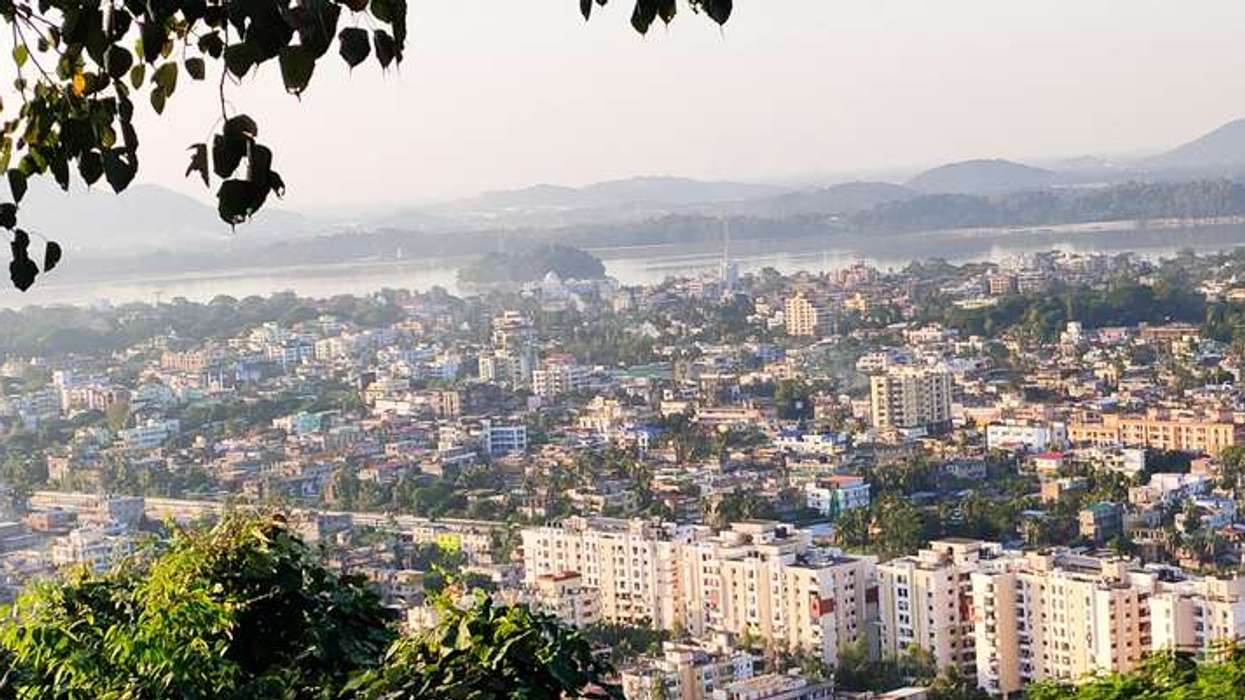
The SilverDoor “Indian Market Update 2026” found that tertiary cities—including Guwahati, Noida, Lucknow, Thiruvananthapuram and Coimbatore—are expected to see continued growth in corporate travel and relocation, expanding alongside hubs such as Pune, Chennai and Bangalore.
“Last week’s budget detailed a significant commitment to supporting economic growth across India, from both a sector perspective with programs such as the Bio Pharma Shakti program and also - critically - from a travel and transport perspective, with seven high-speed rail corridors," said Srinivasan Narayanaswami, SilverDoor’s regional head of operations for India. "Faster connections between more tertiary, tier two and three cities will play a critical role in facilitating growth at both a local and national level."
Drivers of growth
The Indian budget prioritized tourism, employment, infrastructure and regional development, the report said. It emphasized service-led growth, with investment in manufacturing, infrastructure and high-speed transport links and supported micro, small and medium enterprises to drive employment and regional development, including in biopharma and electronics manufacturing.
Narayanaswami said the focus on tertiary locations will increase as corporate travel and housing support companies’ expansion plans.
“The demand we are seeing extends well beyond the more established business hubs and will no doubt be accelerated even more by India’s latest tariff deal agreement with the U.S.,” he said. “For those businesses looking to expand operations, this increase in demand is expected to result in a growth in supply of serviced accommodation and corporate housing providers.”
Companies in IT and gaming, banking, financial services, insurance, pharmaceuticals and consulting are investing in corporate travel and relocation to expand across Indian cities and regions, the report said. Corporate investment has been supported by the reduction in U.S. tariffs on Indian goods, which is expected to increase demand for corporate travel across the country.
The White House recently updated its factsheet on the India-U.S. trade framework in which U.S. President Donald Trump slashed the 25 percent reciprocal tariff on India to 18 percent.
Narayanaswami also advised business owners to work with local providers to meet standards and expectations and to protect “their most valuable asset: their people."
A recent report by Credit Rating Information Services of India Ltd. found that India’s domestic tourism sector has not reached its full economic potential due to weak supply-side conditions.