
Summary:
- Krishnamoorthi reintroduced the HIRE Act, proposing to raise the H-1B cap to 130,000.
- The proposal would help fill tech and defense gaps, fund STEM education.
- Doubling the cap could boost Indian H-1B approvals if the system is fair, an expert said.
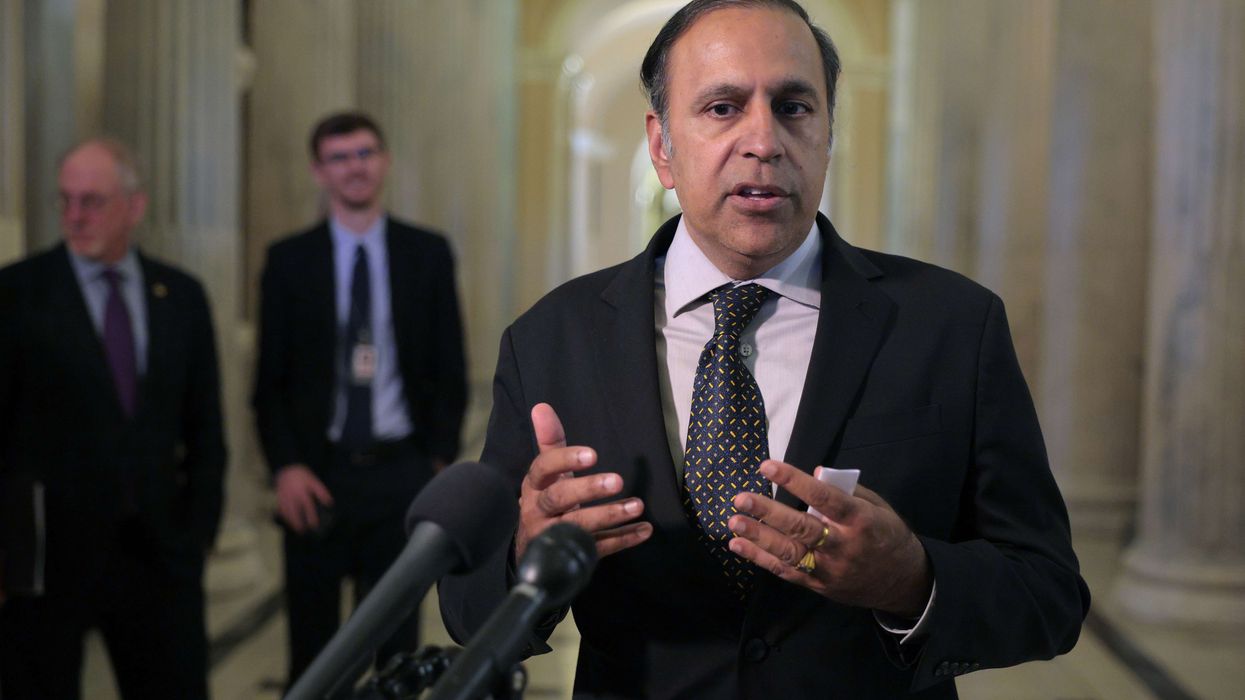
INDIAN-ORIGIN U.S. REP. Raja Krishnamoorthi recently reintroduced legislation proposing to raise the H-1B visa cap to 130,000 amid new fraud allegations against the program. Experts estimate the increase could create 45,000 to 50,000 additional opportunities for Indian professionals, though political uncertainty persists.
The Halting International Relocation of Employment Act would raise the annual H-1B cap from 65,000 (plus 20,000 for advanced degree holders) to 130,000, according to The Times of India.
The proposal comes days after former Rep. Dave Brat and Indian-American diplomat Mahvash Siddiqui alleged large-scale fraud in the H-1B system, particularly at the Chennai consulate. Siddiqui said 80 to 90 percent of Indian applications were fraudulent and Brat claimed Chennai issued 220,000 visas, exceeding the U.S. cap. Trump ally Howard Lutnick also called the system a fraud in August.
Krishnamoorthi said the bill is about competitiveness, not politics.
“To build the jobs and industries of tomorrow, America must stay at the forefront of innovation by strengthening our own workforce while continuing to welcome top talent from around the globe,” he said, according to India Today.
The proposal said the expansion would help employers fill talent gaps in tech and defense, The Times reported. It would also fund STEM education in U.S. schools and increase the annual number of H-1B visas. Industry bodies such as the ITServe Alliance support the HIRE Act, arguing the current cap does not meet demand in sectors like AI, cloud computing and advanced engineering.
Passage is uncertain
The HIRE Act proposes a simple change: doubling the H-1B cap. But passage is uncertain, India Today reported. The program faces political resistance, with “America First” groups claiming it is vulnerable to fraud, open to abuse and harms domestic workers. Any increase in quotas requires support from both chambers of Congress and both parties are divided on immigration and labor reforms.
MAGA critics also argue that raising the cap could suppress wages, reduce job opportunities for U.S.-born workers and increase reliance on foreign labor, according to India Today.
India has long supplied a large share of H-1B workers. A cap of 130,000 visas would give Indian applicants more room within the annual quota, according to India Today. The bill could add 45,000–50,000 visas each year, raising the chances of selection in the H-1B lottery or reducing reliance on it. For Indian students on F-1 visas and recent graduates seeking H-1B status, the larger quota could ease competition.
For IT professionals and engineers seeking to move to the U.S., the proposal could provide more clarity and opportunity than the current cap and backlogs. However, there is no guarantee that additional visas would go only to Indian applicants, as employers worldwide may compete for them.
Last month, Donald Trump said the U.S. lacks enough domestic talent and will need skilled foreign workers for universities and key industries. MAGA supporters saw this as a betrayal of the “America First” agenda. The fallout included Congresswoman Marjorie Taylor Greene resigning from Congress and Nikki Haley’s son emerging as a leading voice for the America First stance.
A statement from Krishnamoorthi’s office said the HIRE Act would help employers, particularly in tech and research, fill skill gaps. Industry bodies agree. Indian workers account for 70 to 73 percent of approved H-1B petitions. In the 2024 fiscal year, this meant roughly 280,000 approvals out of 400,000 petitions.
Indian H-1B approvals could rise
If the cap doubles, the number of Indians securing work visas could rise — but only if the system is implemented fairly, said Saurabh Arora, founder and CEO of University Living, according to India Today.
“If this trend continues, the higher cap could potentially allow an additional 45,000 to 50,000 Indian professionals to secure work visas annually,” he said. “If the selection continues to operate largely through a lottery system and if higher filing costs are introduced, smaller employers may find it difficult to participate.”
Arora also said the expanded cap creates a potential opportunity, but fairness will determine whether it is realized.
“If executed well, this development could enable more Indian graduates to enter the U.S. workforce each year,” he said. “If not, it may raise expectations without delivering proportionate outcomes.”
Tech billionaire Elon Musk recently warned that ending the H-1B visa program would harm the U.S.