INTERCONTINENTAL HOTELS GROUP’s avid brand has added several new properties, four of which are owned by Asian Americans. Despite the current state of the market during the COVID-19 pandemic, the developers say they think the midscale will be in a good position when the economy eventually recovers.
The four hotels are in separate states. Two have opened and two are expected to open this summer.
They are:
- avid hotel Denver Airport Area in Denver, Colorado: Opened in July, the 97-room hotel is near Denver International Airport, FlySafety International and Buckley Airforce Base. It is owned by Chet Patel with Baywood Hotels.
- avid hotel Nashville in Lebanon, Tennessee: Opened on June 6, the 87-room hotel is the first avid hotel to open in Tennessee, 20 miles from Nashville International Airport, and near Cumberland University and the Wilson County Fairgrounds. This property is owned by Kunal Shah and Daughters, LLC.
- avid hotel Boston Logan Airport in Revere, Massachusetts: Expected to open in late summer, the 104-room hotel is near Boston Logan International Airport and local attractions such as Rumney Marsh Reservation wildlife reserve and Revere Beach on the Atlantic coast. This property is owned by Ketan Patel and Bijal Hospitality.
- avid hotel Fort Worth in Fossil Creek, Texas: Also expected to open in late summer, the 87-room hotel is near Texas Christian University and several Texas-branch businesses and federal agencies, such as the U.S. Department of Treasury, U.S. Defense Department, the Internal Revenue Service and Federal Bureau of Investigation. This property is owned by Kalpesh Patel and Buffalo Builder, LLC.
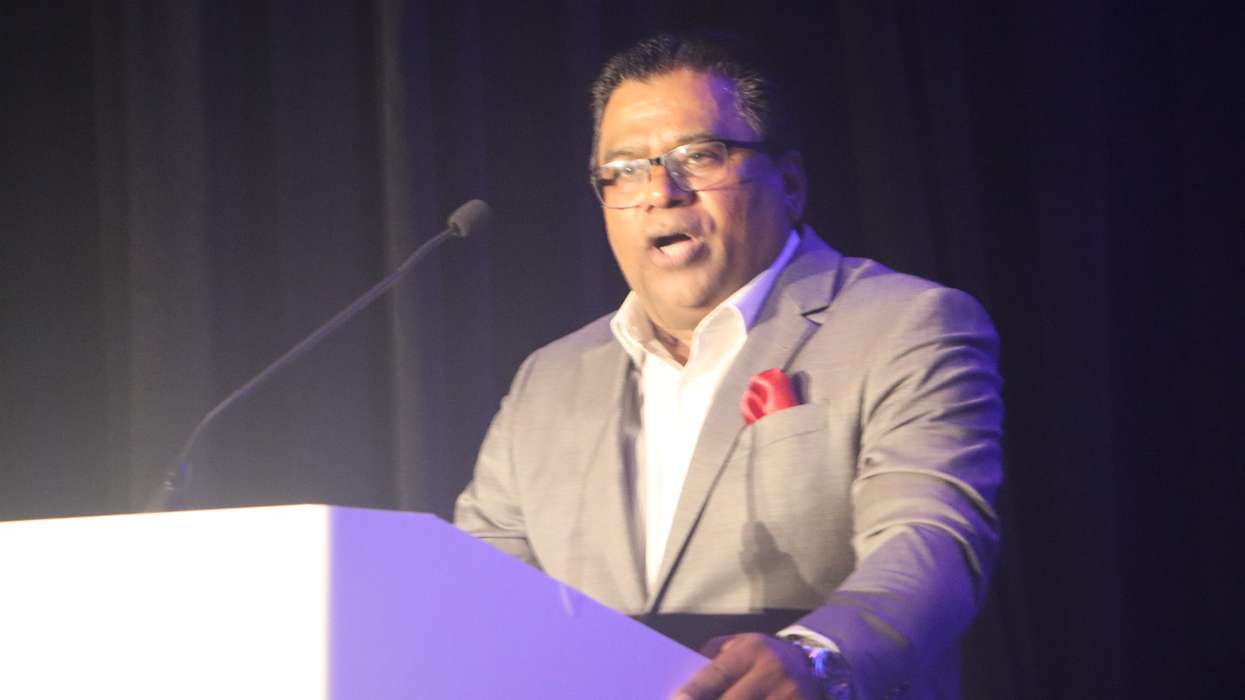
“We at Baywood Hotels believe that, with both business and leisure travel showing modest recovery as we further navigate the pandemic, avid hotels is well-positioned to satisfy the current consumer appetite for travel while also supporting travel demands in the future,” said Chet Patel, senior vice president at Baywood Hotels.
IHG has more than 200 avid hotels in the development pipeline, including 40 properties under construction and more than 90 properties with plans submitted to or approved by the company.
“IHG’s valued owner community has continued to develop and build avid hotels even during this challenging time, and our owners remain excited about bringing the innovative mainstream avid hotels brand to new markets and travelers,” said Karen Gilbride, vice president of IHG’s avid hotels and Atwell Suites.
IHG’s Way of Clean program with enhanced cleaning and safety procedures to prevent the spread of coronavirus as part of its newly implemented IHG Clean Promise. IHG Clean Promise includes input from the Cleveland Clinic as well as hygiene and cleaning services companies Ecolab and Diversey as an expansion of the company’s Way of Clean program established in 2015. It incorporates advice of the World Health Organization, Centers for Disease Control & Prevention and local public health authorities.