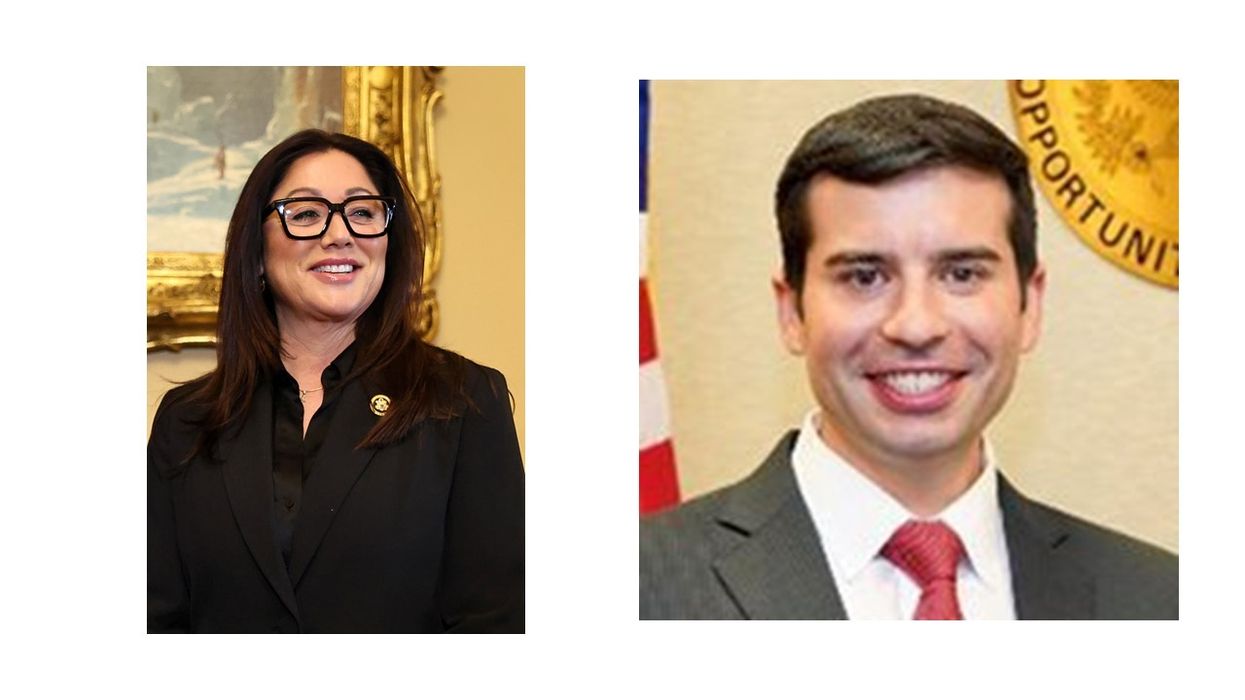

PRESIDENT DONALD TRUMP nominated former Oregon Republican congresswoman Lori Chavez-DeRemer to lead the Department of Labor, with former EEOC commissioner Keith Sonderling chosen as deputy secretary. The American Hotel & Lodging Association has called on the Senate to swiftly confirm both nominees.
“Keith will work with our nominee for Secretary of Labor Lori Chavez-DeRemer, to put our country and workers first,” Trump announced on Truth Social.
Trump highlighted Sonderling's labor and employment experience, noting his roles as EEOC vice-chairman and acting administrator of the DOL's Wage and Hour Division during Trump’s first term. If confirmed, Sonderling would oversee the DOL’s 15,000 employees and daily operations.
Sonderling thanked Trump for the nomination on LinkedIn.
AHLA President and CEO Rosanna Maietta expressed pride in endorsing Chavez-DeRemer for secretary of labor and Sonderling for deputy secretary.
“As a small business owner, Chavez-DeRemer understands the challenges businesses face and the need for a strong workforce,” Maietta said. “In Congress, she supported key AHLA priorities, including defending the franchise model, defining joint-employer liability, and advancing apprenticeship programs.”
Sonderling, who previously served at the EEOC, was acting administrator and later deputy administrator of the DOL’s Wage and Hour Division from 2019 through Trump’s first term. He left the EEOC in July 2024 when his term expired, creating another Republican vacancy for Trump to fill.
“Sonderling brings extensive experience to the deputy secretary role, having served under the first Trump administration as acting and deputy administrator of the Wage and Hour Division and as a commissioner of the Equal Employment Opportunity Commission,” Maietta said. “He has been a strong advocate for the franchise model and understands the impact of the department’s policies on businesses nationwide.”
Sonderling expanded the commission’s outreach on AI and pushed for more guidance on its use, addressing emerging risks of discrimination in employment law, the Bloomberg Law reported.
Maietta noted that hoteliers face challenges, including onerous regulations threatening the livelihoods of owners, operators, and employees, as well as a nationwide workforce shortage hindering expansion.
“We urge the Senate to quickly confirm Lori Chavez-DeRemer and Keith Sonderling to lead the Department of Labor so we can address these obstacles,” she said.
In early January, Trump joined billionaire Tesla founder Elon Musk in supporting the H-1B visa program despite opposition from some of Trump’s base. Meanwhile, AAHOA and AHLA are pushing to replace the 66,000 annual cap on H-2B visas with a needs-based system.