
Skip to content

Search

Latest Stories

AC Hotel opens in downtown Columbus, GA

The upscale hotel is owned by RAM Hotels

AC Hotel opens in downtown Columbus, GA

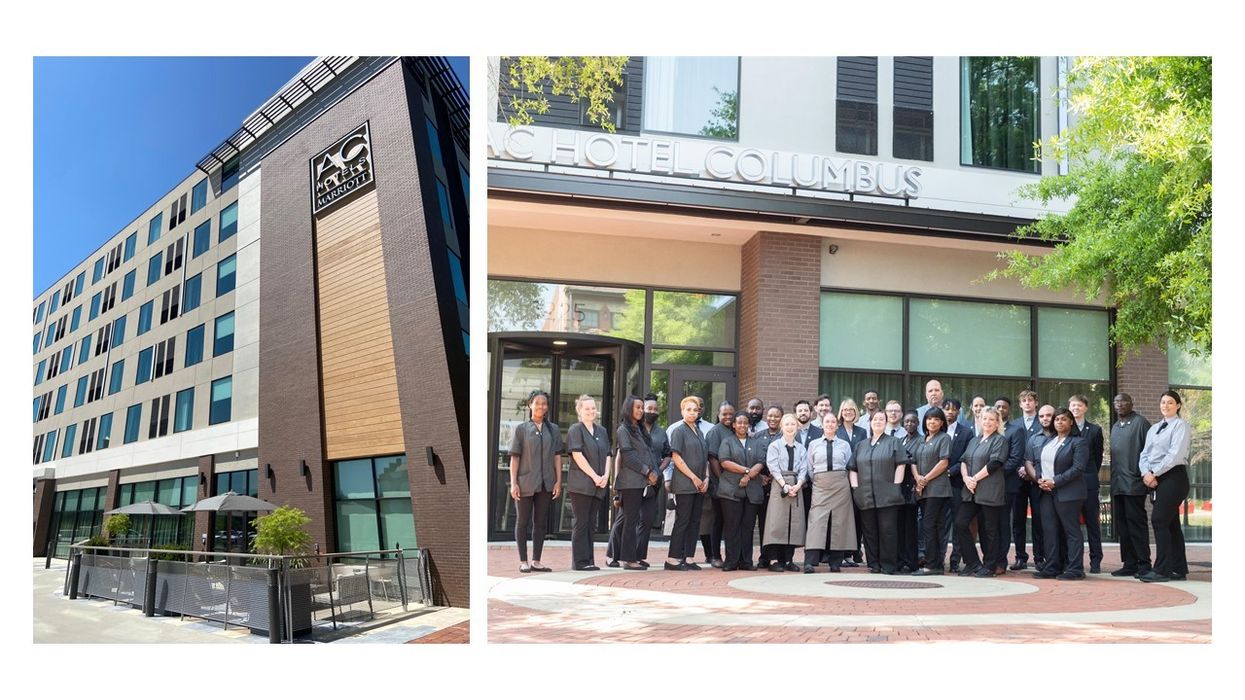
The AC Hotel Columbus Downtown is now open in Columbus, Georgia. It is owned by locally based RAM Hotels led by brothers Rinkesh Patel as president and Mitesh Patel executive vice president.

The 125-room, six-story upscale hotel is in the city’s uptown district where there are many restaurants, bars and shops along the city’s main throughfare. Nearby attractions include the Coca-Cola Space Science Center, the National Civil War Naval Museum, Woodruff Riverfront Park and Mercer University.


Hotel amenities include a curated art collection, the AC Café restaurant, the AC Lounge bar and the AC Library that provides novels and reading space for guests. It also features Kallpods, AC’s wireless service buttons and a fitness center.

“The concept behind the AC Hotel Columbus Downtown is simple but refined – remove the unnecessary extras to allow guests to focus on what is most important to them. We are excited to offer this frictionless experience to the Columbus area,” Mitesh said. “I especially look forward to introducing the AC Café. We are the first AC Hotel to offer this experience, from the moment the order is placed, to the moment the coffee is served, everything is visible to the guest."

In December 2019, RAM Hotels opened the Home2 Suites by Hilton Alpharetta in Alpharetta, Georgia.

More for you

Trump policies took center stage in 2025
Photo by Win McNamee/Getty Images

Trump policies took center stage in 2025

Summary:

  • Policy shifts and trade tensions shaped the U.S. hospitality industry.
  • A congressional deadlock triggered a federal shutdown from Oct. 1 to Nov. 12.
  • Visa limitations and the immigration crackdown dampened international travel.

THE U.S. HOSPITALITY industry navigated a year of policy shifts, leadership changes, trade tensions and reflection. From Washington’s decisions affecting travel and tourism to industry gatherings and the loss of influential figures, these stories dominated conversation and shaped the sector.

Policy uncertainty took center stage as Washington ground to a halt. A congressional deadlock over healthcare subsidies and spending priorities triggered a federal government shutdown that began on Oct. 1 and lasted until Nov. 12. The U.S. Travel Association warned the shutdown could cost the travel economy up to $1 billion per week, citing disruptions at federal agencies and the Transportation Security Administration. Industry leaders said prolonged gridlock would further strain hotels already facing rising costs and workforce challenges.

Keep ReadingShow less